

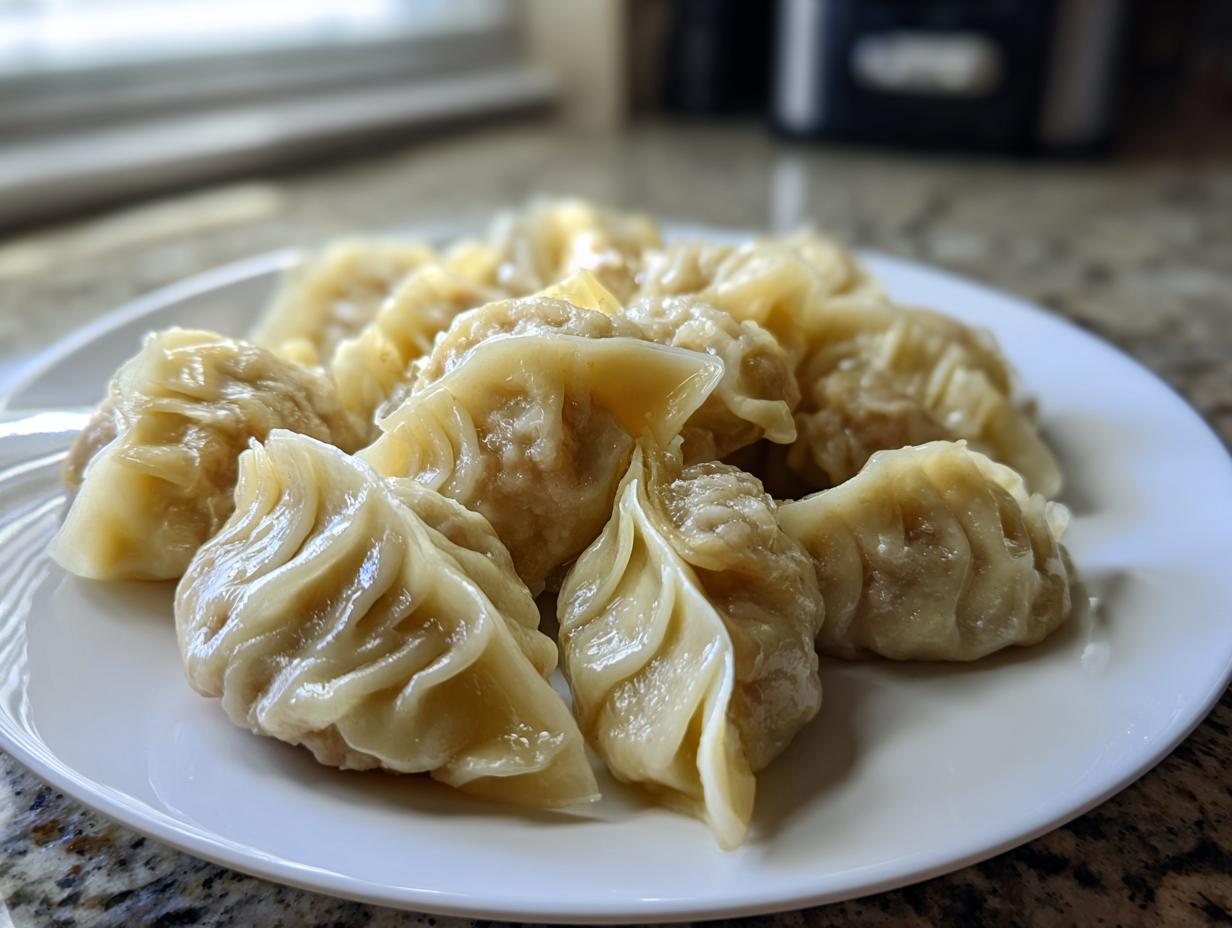
There’s just nothing in the world that compares to the warmth and sheer comfort that comes from a bowl filled with homemade dumplings, right? Seriously, the smell alone takes me right back! I know making Traditional Chinese Dumplings from scratch sounds intimidating—especially when you look up those restaurant techniques—but trust me, I’ve broken down every secret here so you can nail authentic jiaozi tonight. My background, mixing formal nutrition study with time in a super careful professional test kitchen (that’s where I learned to make recipes foolproof), means this recipe is absolutely reliable. We’re conquering both the filling and the scratch wrappers together!
- Why You Will Love Making Traditional Chinese Dumplings
- Essential Ingredients for Authentic Jiaozi
- Mastering Homemade Dumpling Wrappers for Traditional Chinese Dumplings
- Creating the Flavorful Pork Cabbage Dumplings Filling
- Step-by-Step Instructions for Filling and Folding Traditional Chinese Dumplings
- Cooking Authentic Jiaozi: Achieving Perfect Boiled Chinese Dumplings
- Tips for Making Freezer Friendly Dumplings
- Frequently Asked Questions About Traditional Chinese Dumplings
- Estimated Nutritional Breakdown for Pork Cabbage Dumplings
- Share Your Lunar New Year Dumplings Creations
Why You Will Love Making Traditional Chinese Dumplings
I get it—making things from scratch can seem like a huge commitment, but these pork cabbage dumplings are totally worth the effort, I promise! They taste a million times better than anything store-bought, especially when you make that dough fresh.
- The filling is balanced: savory pork meets the perfect crunch of fresh cabbage.
- They freeze like a dream, so you can have them ready for any random craving or big holiday, like your Lunar New Year dumplings feast!
- Even if you’ve never pleated before, this recipe is wonderfully forgiving. You’ll build confidence fast!
Essential Ingredients for Authentic Jiaozi
When we are aiming for truly authentic jiaozi, the quality and preparation of the components matter so much. Don’t try to sneak in pre-shredded stuff here; we want vibrant flavor! For the wrapper, it’s just the basics: all-purpose flour and water, but the ratio is important. The filling is where the magic really happens, using that rich ground pork and the crisp Napa cabbage.
I’ve listed everything below, and remember to make sure your ginger is freshly grated—it truly makes a difference in that savory, slightly sharp kick we are looking for. Keep those measurements accurate, especially the seasonings, so your Chinese dumplings recipe turns out perfect every single time!
- 2 cups all-purpose flour
- 1 cup warm water (plus more if needed)
- 1 pound ground pork
- 2 cups finely chopped Napa cabbage
- 1/4 cup finely chopped scallions
- 2 tablespoons soy sauce
- 1 tablespoon Shaoxing rice wine
- 1 teaspoon sesame oil
- 1 teaspoon grated fresh ginger
- 1/2 teaspoon salt
- 1/4 teaspoon white pepper
Mastering Homemade Dumpling Wrappers for Traditional Chinese Dumplings
Forget buying those sad little packs of dough! These homemade dumpling wrappers are non-negotiable if you want truly great Traditional Chinese Dumplings. It starts simple enough: just flour and warm water mixed until you get a shaggy mess.
But you can’t rush the next step. You absolutely need to knead this dough for a good 8 to 10 minutes! I know, your arms will get tired, but that tough kneading activates the gluten, making the wrapper elastic instead of tearing when you pinch it. Once it looks smooth—like really smooth, satisfyingly so—wrap it up tight. Letting it rest for at least 30 minutes is critical. That rest time lets the gluten relax, which means you can roll the dough out super thin later without it fighting you back!
Technique for Rolling Perfect Homemade Dumpling Wrappers
When that dough is rested and ready, divide it into four ropes, then slice those ropes into little inch-sized pillows. Now, here’s the trick for a perfect boiled Chinese dumpling: when you roll each piece into a circle, you want the center to be slightly thicker than the edges. Use the rolling pin to push outward, keeping a bit more dough in the center where the filling sits. This keeps your dumplings sturdy without leaving you with a tough, doughy rim!
Creating the Flavorful Pork Cabbage Dumplings Filling
Okay, now that we have beautiful, rested dough, let’s talk filling! This pork cabbage dumplings mixture is what makes these Traditional Chinese Dumplings taste so amazing and authentic. You’re going to mix your ground pork, the super finely chopped Napa cabbage, scallions, ginger, salt, and pepper all together in a bowl.
But listen closely to this one expert tip—this changed everything for me when learning how to make authentic jiaozi! You must mix everything thoroughly, but you have to stir it all in *one direction* only. Keep going, even if it feels weird, until that mixture starts getting truly sticky and cohesive, almost like a paste. That action binds the meat properly so your filling stays together when boiled!
Don’t forget the flavor boosters! That tablespoon of Shaoxing rice wine is key for that traditional depth. It cuts through the richness of the pork perfectly. Once it’s sticky, stop mixing. That’s your perfect Chinese dumplings recipe filling, ready to wrap!
Step-by-Step Instructions for Filling and Folding Traditional Chinese Dumplings
This is the fun part where everything comes together! You’ve got your rested dough circles and your gorgeous, sticky filling. Remember, don’t overfill them; about one teaspoon of filling in the very center of each wrapper is plenty. If you try to stuff too much in, they are just way harder to seal, and nobody wants broken dumplings floating in the pot!
Once the filling is centered, you need to moisten the edges. Grab a tiny bit of water on your finger and gently trace the entire perimeter of the wrapper. This acts as the glue! Then, just fold the wrapper in half over the filling so you have a perfect half-moon shape. Now for the seal—I usually do a simple crimp-and-pleat method across the top edge, just pushing and folding small bits of dough together until the whole thing is sealed tight. Make sure you push out any big air bubbles before you seal the very last bit!
If you’re like me and prefer a more traditional look, focus on creating little crescent folds along that sealed edge. It looks fancy, but really, it’s just one more way to make sure no filling escapes during the boil. Work quickly so your wrappers don’t dry out while you’re folding a big batch for your Traditional Chinese Dumplings!
Cooking Authentic Jiaozi: Achieving Perfect Boiled Chinese Dumplings
We’ve done all the hard work making the dough and the filling, so we can’t mess it up now! If you want those true, soft, pillowy packages of goodness, you have to boil them correctly. The first rule: get a BIG pot of water going—seriously, don’t skimp on space.
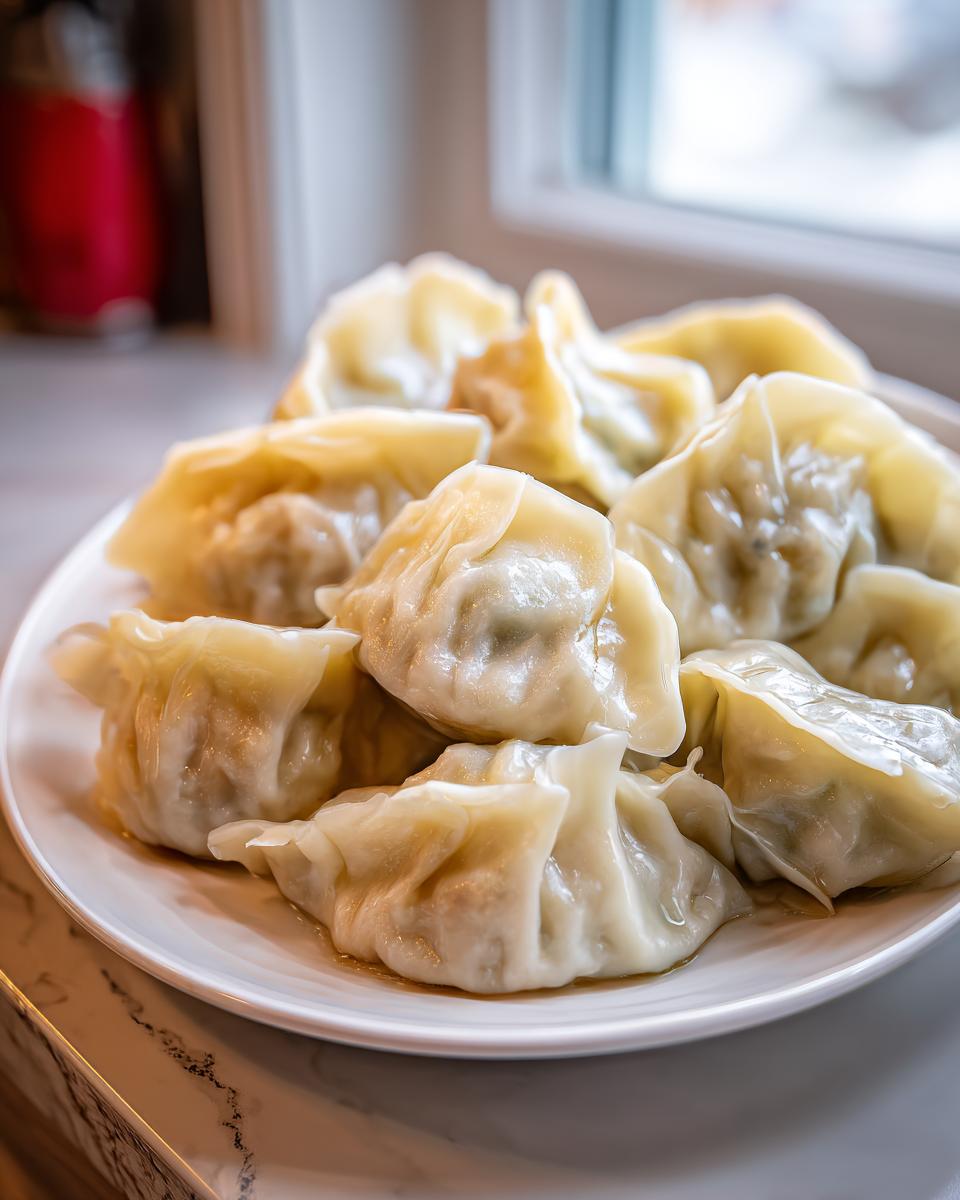
We need a full, rolling boil before anything goes in. Gently drop your assembled Traditional Chinese Dumplings in, making sure they aren’t crammed together. Give them a very calm stir right away so they don’t glue themselves to the bottom of the pot. That’s the key to great boiled Chinese dumplings!
What you’re waiting for is the float test. Once they all bob up to the surface, don’t pull them out yet! That just means the wrapper is cooked. You need to let them simmer for another 3 to 5 minutes after they float. That extra time ensures that delicious pork cabbage dumplings filling is perfectly cooked through. Scoop them out with a slotted spoon and get your dipping sauce ready—you deserve this!

Tips for Making Freezer Friendly Dumplings
One of the best parts about making Traditional Chinese Dumplings from scratch is that you get to stock your freezer! This recipe is so fantastic because they freeze like champions. I always make double batches just so I can have these on hand for quick dinners.
The secret here is making sure they freeze individually so they don’t turn into one giant block of stuck-together dough. First, line a sturdy baking sheet—like a rimmed cookie sheet—with parchment paper. Lay out all your uncooked dumplings in a single layer, giving each little guy some personal space!
Pop that tray straight into the freezer and leave them until they are rock solid. Once they’re frozen hard, which usually takes an hour or two, you can quickly transfer them into a heavy-duty freezer bag or container. When you’re ready to cook those freezer friendly dumplings later, just toss them right into boiling water straight from the freezer, but add a couple of extra minutes to that cooking time to be safe!
Frequently Asked Questions About Traditional Chinese Dumplings
I always get so many questions about these little dough pockets after people see how delicious they turn out! It’s great you’re asking, because knowing a few alternatives makes this recipe perfect for any night.
We want these to be your go-to Chinese dumplings recipe, so let’s clear up any confusion before you head over to send me a message!
Can I use store-bought wrappers instead of homemade dumpling wrappers?
Listen, I’m going to be honest here: for the most truly authentic jiaozi flavor and texture, the homemade wrappers are the way to go. That little bit of chewiness you get from fresh dough just can’t be beaten! However, if you are totally pressed for time, yes, you absolutely can use good quality, round store-bought dumpling wrappers. Just treat them gently, as they can sometimes be less resilient than our sturdy scratch-made ones when boiling. They still make for a delicious, quick dinner!
How do I make these into potstickers (pan-fried)?
Oh, wonderful question! If you prefer that lovely crispy bottom instead of regular boiled Chinese dumplings, you’re making potstickers! The process is super easy to adapt. You use the exact same filling and wrapper. The difference is cooking method: first, sear the bottom of the dumplings in a hot, oiled skillet until they are beautifully golden brown. Once they look nice and crispy, carefully pour in just enough water to cover the bottoms about halfway up the dumpling walls, quickly cover the pan, and let them steam until the water evaporates and the filling is done. That crispy bottom layer is just heavenly!
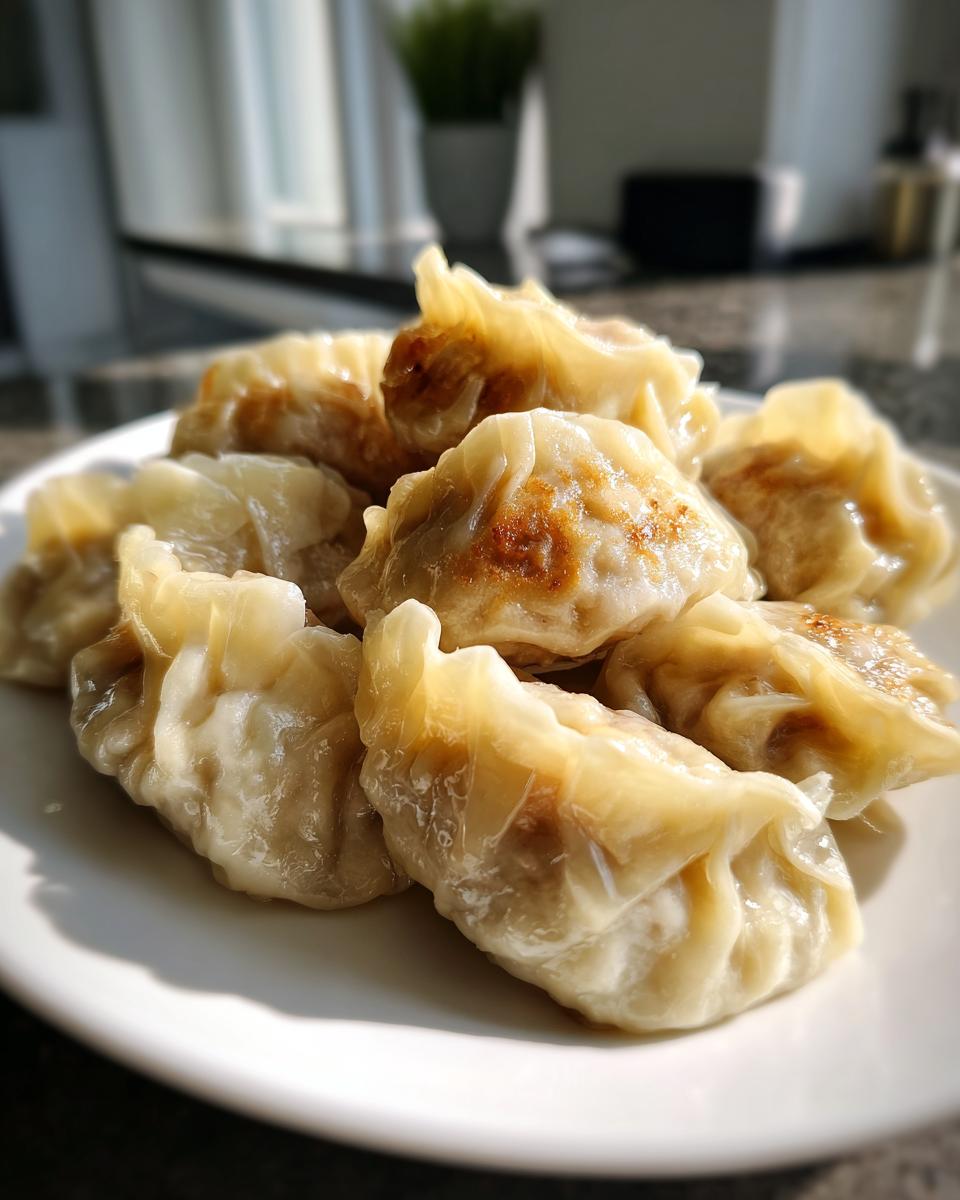
These work great frozen too! If you use frozen ones, make sure you add a bit more water for the steaming part since the ice will cool the pan down faster.
Estimated Nutritional Breakdown for Pork Cabbage Dumplings
I always try to give you guys as much information as possible, because knowing what’s in your food is half the battle! Since we are making these amazing pork cabbage dumplings completely from scratch, these numbers are an educated guess based on average ingredient sources—so think of this as a really helpful ballpark figure, not a guarantee from a huge lab!
This breakdown is figured out assuming one serving is about five of these delicious Traditional Chinese Dumplings. It’s pretty neat how much satisfaction you get from this meal for the calories! You’ve got a good punch of protein from that ground pork, which is awesome for keeping you full.
- Serving Size: 5 dumplings
- Calories: 280
- Fat: 14g (with 5g saturated)
- Carbohydrates: 25g (Only 1g of fiber!)
- Protein: 14g
- Sodium: Around 450mg (Soy sauce really adds up, so watch your dipping sauce!)
- Sugar: 1g
Remember, if you use lighter soy sauce or swap some of the pork for lean ground chicken, those sodium and fat numbers can shift a bit. But overall, for a handmade dish full of real ingredients, I think this is a fantastic breakdown for your authentic jiaozi feast. Enjoy every bite!
Share Your Lunar New Year Dumplings Creations
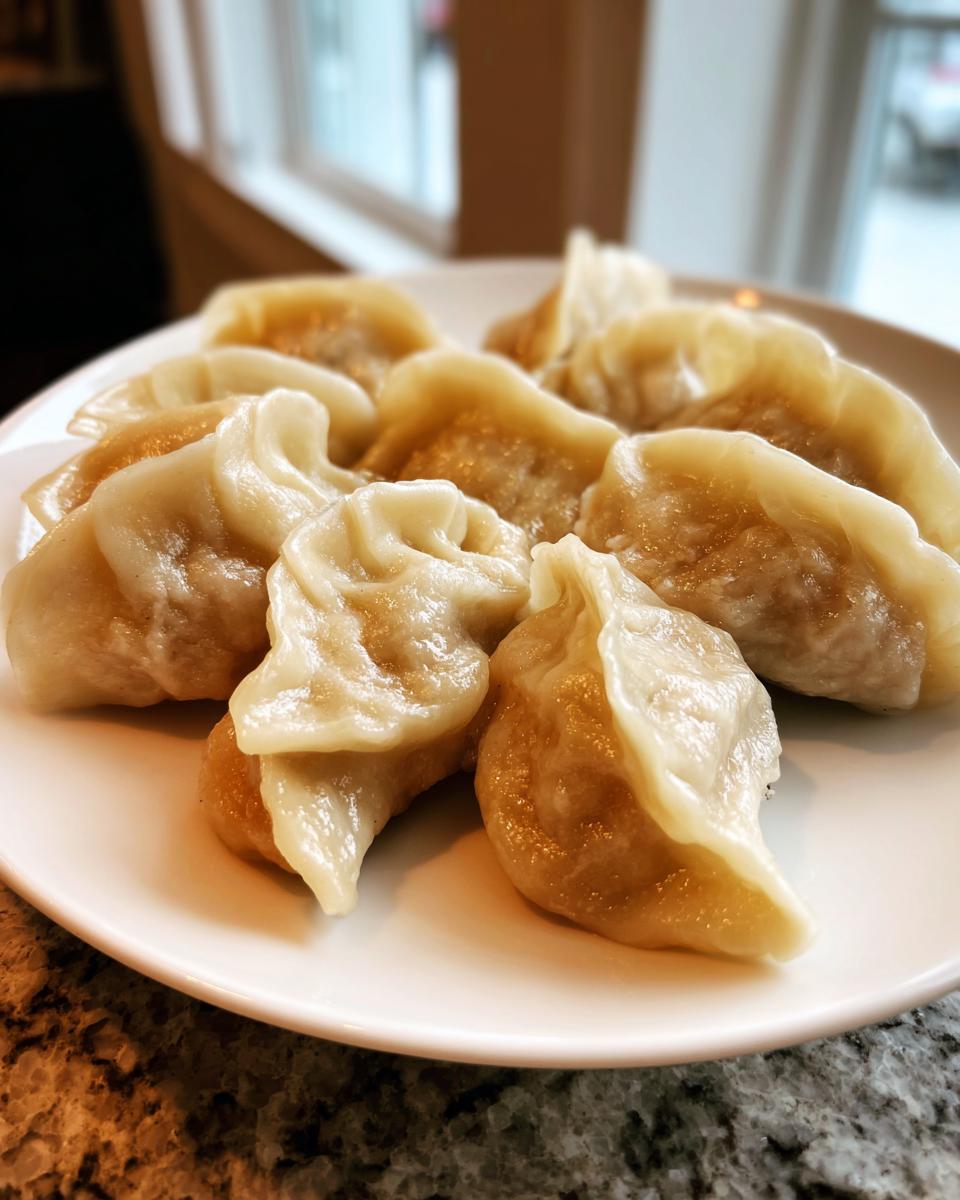
Wow, we made it! You’ve tackled the knead, mastered the stickiness of the filling, and folded dozens of these gorgeous Traditional Chinese Dumplings. Seriously, I am so proud of you right now! Making food that connects us to tradition, especially around the Lunar New Year dumplings season, is just the best feeling in the world.
Now, I really, really want to know how your pork cabbage dumplings turned out! Please come back down to the comments section below and leave a star rating—is it a solid 5 stars? Did you find the process smoother than you thought? Tell me about your folding style! Your feedback helps other cooks build confidence before they try this Chinese dumplings recipe for the first time.
And if you snapped pictures of your beautiful haul—whether they ended up boiled or pan-fried—I would absolutely love to see them! Tag me on social media so I can celebrate your kitchen success with you. It makes my day to see these recipes come to life in your homes. Don’t forget to check out our data policies if you have any questions about sharing your comments.
PrintTraditional Pork and Cabbage Jiaozi (Chinese Dumplings)
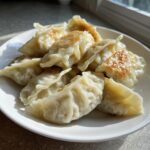
Make authentic Chinese dumplings from scratch with this reliable recipe for pork and cabbage filling and homemade wrappers. This recipe is freezer friendly.
- Prep Time: 45 min
- Cook Time: 15 min
- Total Time: 60 min
- Yield: 4 servings 1x
- Category: Dinner
- Method: Boiling
- Cuisine: Chinese
- Diet: None
Ingredients
- 2 cups all-purpose flour
- 1 cup warm water (plus more if needed)
- 1 pound ground pork
- 2 cups finely chopped Napa cabbage
- 1/4 cup finely chopped scallions
- 2 tablespoons soy sauce
- 1 tablespoon Shaoxing rice wine
- 1 teaspoon sesame oil
- 1 teaspoon grated fresh ginger
- 1/2 teaspoon salt
- 1/4 teaspoon white pepper
Instructions
- Make the dough: In a large bowl, combine the flour and warm water. Mix until a shaggy dough forms. Knead the dough on a lightly floured surface for 8 to 10 minutes until smooth and elastic. Cover the dough with plastic wrap and let it rest for at least 30 minutes.
- Prepare the filling: In a separate bowl, combine the ground pork, Napa cabbage, scallions, soy sauce, rice wine, sesame oil, ginger, salt, and white pepper. Mix the ingredients thoroughly in one direction until the mixture becomes sticky and cohesive.
- Form the wrappers: Divide the rested dough into four equal pieces. Roll each piece into a long rope about 1 inch thick. Cut each rope into 1-inch pieces. Roll each piece into a thin circle, about 3 inches in diameter, keeping the edges slightly thinner than the center.
- Fill and fold: Place about 1 teaspoon of filling in the center of a wrapper. Moisten the edges with water. Fold the wrapper in half over the filling to create a half-moon shape. Crimp and pleat the edges to seal securely.
- Cook the dumplings: Bring a large pot of water to a rolling boil. Gently drop the dumplings into the boiling water, ensuring they do not stick together. Stir gently.
- Boil until the dumplings float to the surface. Cook for an additional 3 to 5 minutes after they float, or until the filling is cooked through.
- Remove the cooked dumplings with a slotted spoon and serve immediately with your preferred dipping sauce.
Notes
- For freezing: Arrange uncooked dumplings in a single layer on a baking sheet lined with parchment paper. Freeze until solid, then transfer to a freezer bag. Cook directly from frozen, adding a few extra minutes to the cooking time.
- If you prefer pan-fried dumplings (potstickers), sear the bottoms in oil until golden brown before adding water to steam them.
- You can substitute ground chicken or turkey for the pork if you prefer a different meat.
Nutrition
- Serving Size: 5 dumplings
- Calories: 280
- Sugar: 1
- Sodium: 450
- Fat: 14
- Saturated Fat: 5
- Unsaturated Fat: 9
- Trans Fat: 0
- Carbohydrates: 25
- Fiber: 1
- Protein: 14
- Cholesterol: 55