

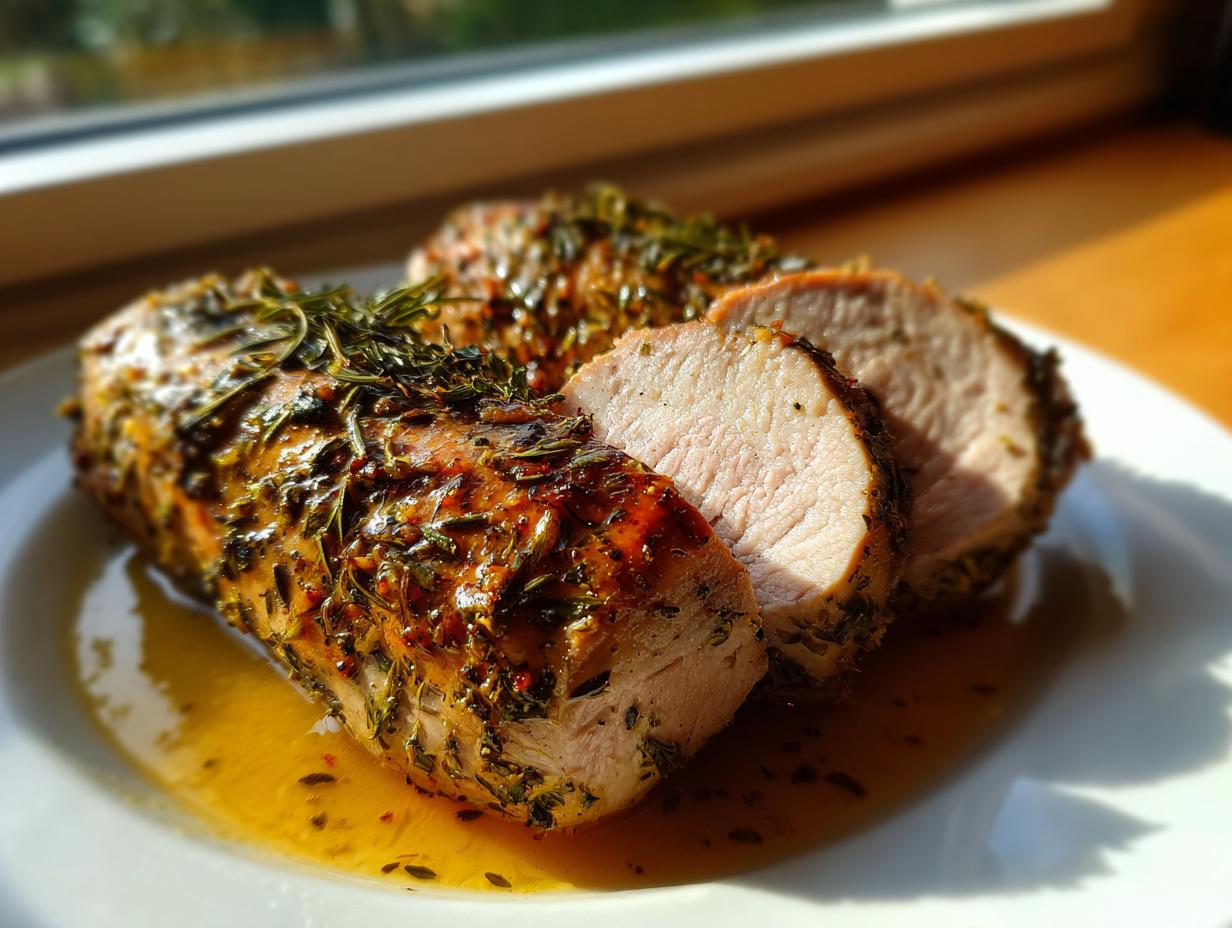
If you’ve ever bravely cooked pork tenderloin only to end up with something tough and dry, I totally get it. That used to be me! When I was first learning the science behind cooking in test kitchens, I realized pork is lean, which means it needs a little love and precision to keep that amazing tenderness we all want. That’s why I developed this Garlic Herb Roasted pork tenderloin recipe. It’s my absolute favorite way to guarantee you get a juicy, flavorful result every single time, using just your oven. Forget complicated searing techniques; this is simple roasting built on solid nutritional principles. We keep things easy, flavorful, and reliable here at Cooking by Jade!
- Why This Garlic Herb Roasted pork tenderloin recipe is Your New Weeknight Hero
- Gathering Ingredients for Your pork tenderloin recipe
- Step-by-Step Instructions for this Roasted pork tenderloin recipe
- Expert Tips for the Best pork tenderloin recipe Every Time
- Variations on this Garlic Herb pork tenderloin recipe
- Serving Suggestions for Your Flavorful pork tenderloin
- Storage and Reheating Instructions for Leftover pork tenderloin recipe
- Frequently Asked Questions About This pork tenderloin recipe
- Nutritional Snapshot of Garlic Herb Roasted Pork Tenderloin
Why This Garlic Herb Roasted pork tenderloin recipe is Your New Weeknight Hero
We all need those dinner superstars—recipes that feel impressive but don’t demand your entire evening. This pork tenderloin recipe cuts through all the fuss! It’s fast enough for any busy night, but the flavor payoff makes it look like you worked for hours. You can check out some other quick options here: easy weeknight dinners!
- Guaranteed moisture—no more dry meat, trust me on this!
- Hands-on prep time is under ten minutes.
- Cleanup is minimal since it’s all done on one pan.
Achieving a Truly Juicy pork tenderloin
The secret to that juicy pork tenderloin everyone raves about is temperature control. We hit it with medium-high heat initially just to get some color, but the real magic happens in a steady oven. You *must* use a meat thermometer here—you’re pulling this pork right when it hits 145°F (63°C). It’s a quick finish, and if you skip the thermometer, you risk overcooking it. That final ingredient? Resting! Don’t skip the 10 minutes under foil.
Simple Prep for an Impressive Dinner
Honestly, seasoning this cut is a breeze. You’re just smashing garlic, chopping herbs, mixing, and rubbing it all over with some oil. That herb crust protects the lean meat during cooking, giving you tons of flavor without needing a complicated sauce or marinade simmering all day. This simplicity is what makes it such an awesome easy pork tenderloin recipe for beginners who want a big flavor win.
Gathering Ingredients for Your pork tenderloin recipe
Getting started is easy because we use simple, bold flavors! For this pork tenderloin recipe, you need just a few things. Remember, using fresh herbs here makes a huge difference—that rosemary and thyme really pop when roasted. Don’t be shy with the garlic, either; it’s the backbone of this flavor profile. I listed everything out below so you can grab it all in one go.
- 1 pork tenderloin (about 1.5 lbs)
- 2 tablespoons olive oil
- 4 cloves garlic, minced
- 1 tablespoon fresh rosemary, chopped
- 1 tablespoon fresh thyme leaves
- 1 teaspoon salt
- 1/2 teaspoon black pepper
- 1/2 cup chicken broth
- 1 tablespoon Dijon mustard
- 1 teaspoon cornstarch mixed with 1 tablespoon cold water (slurry)
Ingredient Notes and Substitutions
When you buy your pork, look for a piece that’s a uniform thickness, maybe around 1.5 pounds. If it’s super skinny on one end, that end will dry out before the middle cooks! As for those fresh herbs? If you absolutely must use dried, just remember that the flavor is much stronger, so use about half the amount I listed. Also, that cornstarch slurry is how we get that beautiful, glossy pan sauce without a ton of extra fuss. It’s my go-to trick!
Step-by-Step Instructions for this Roasted pork tenderloin recipe
Okay, let’s get this amazing oven baked pork tenderloin into the heat! We’re keeping the steps clear because timing is everything when you’re trying to guarantee a tender pork recipe. I know you want to dive right in, but patience during the last few minutes pays off huge dividends for moisture!
Preparing the Herb Crust and Roasting
First things first, crank that oven up to 400°F (200°C). Get your pork tenderloin completely dry—I mean pat it down really well with paper towels. A dry exterior helps that herb crust stick on perfectly. In a little bowl, mix up your minced garlic, rosemary, thyme, salt, and pepper. Rub a thin layer of olive oil all over the pork, and then press that herb mixture firmly onto every side. You want good coverage! Pop it onto a roasting pan or baking sheet and slide it into the preheated oven. For a standard 1.5 lb piece, you’re looking at about 20 to 25 minutes. Your goal temperature is 145°F (63°C) when checked in the thickest spot. You can see how I handle roasting similar cuts over here for juicy oven roasted pork loin, too!
Making the Simple Pan Sauce
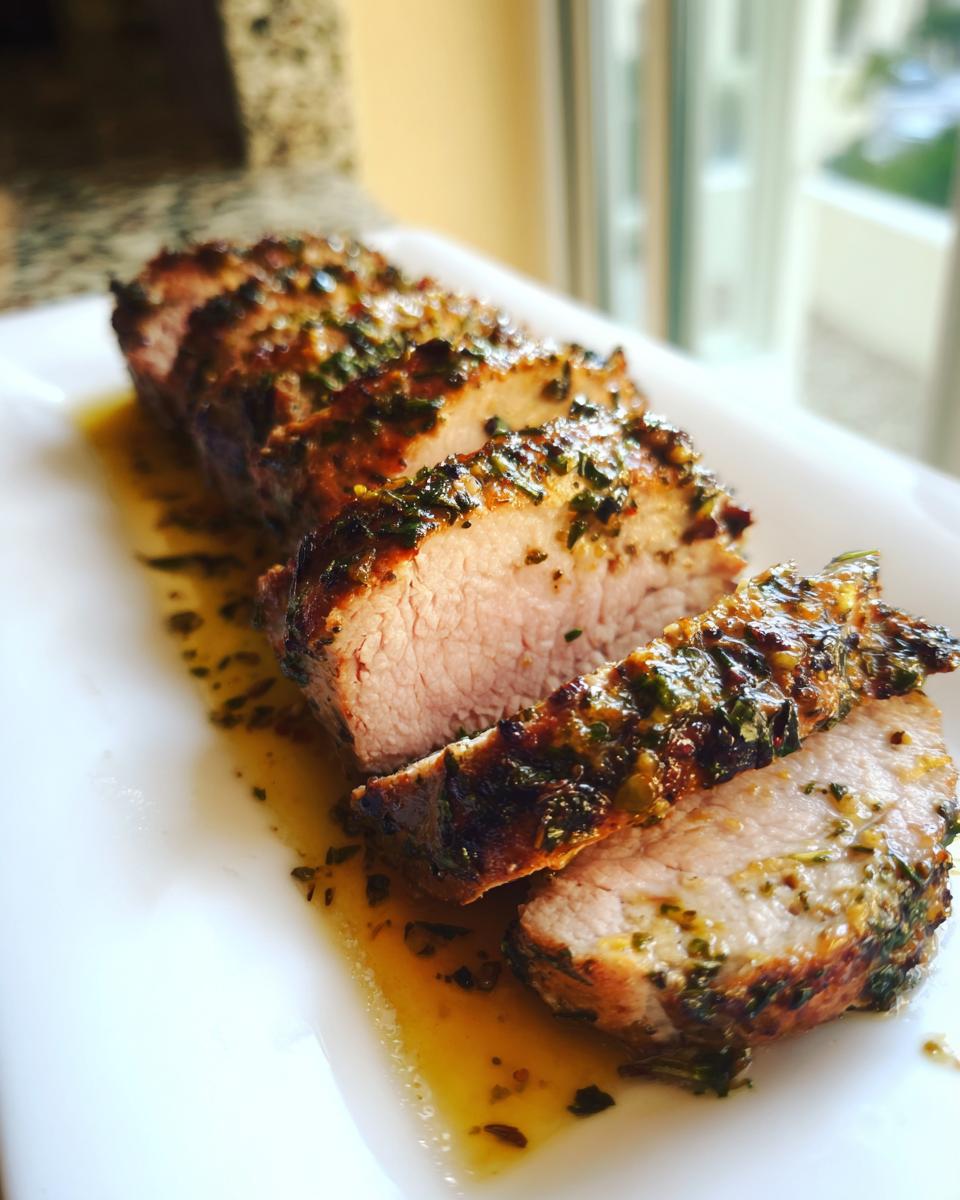
This part is what takes us from a delicious roast to an impressive dinner! Once the pork is out of the pan, move it straight to the cutting board. Now, we use that pan! Place the roasting pan (or use a small saucepan) over medium heat on the stove. Pour in that chicken broth and use a wooden spoon to scrape up all those browned, flavorful bits stuck to the bottom—that’s called deglazing, and it’s packed with flavor for your simple pork roast. Whisk in your Dijon mustard. Now for thickening: take your cornstarch slurry (cornstarch mixed with cold water) and whisk it in slowly while the sauce simmers. It thickens up in about a minute. Done! That’s your luscious sauce ready to go.
Resting and Slicing for Maximum Juiciness
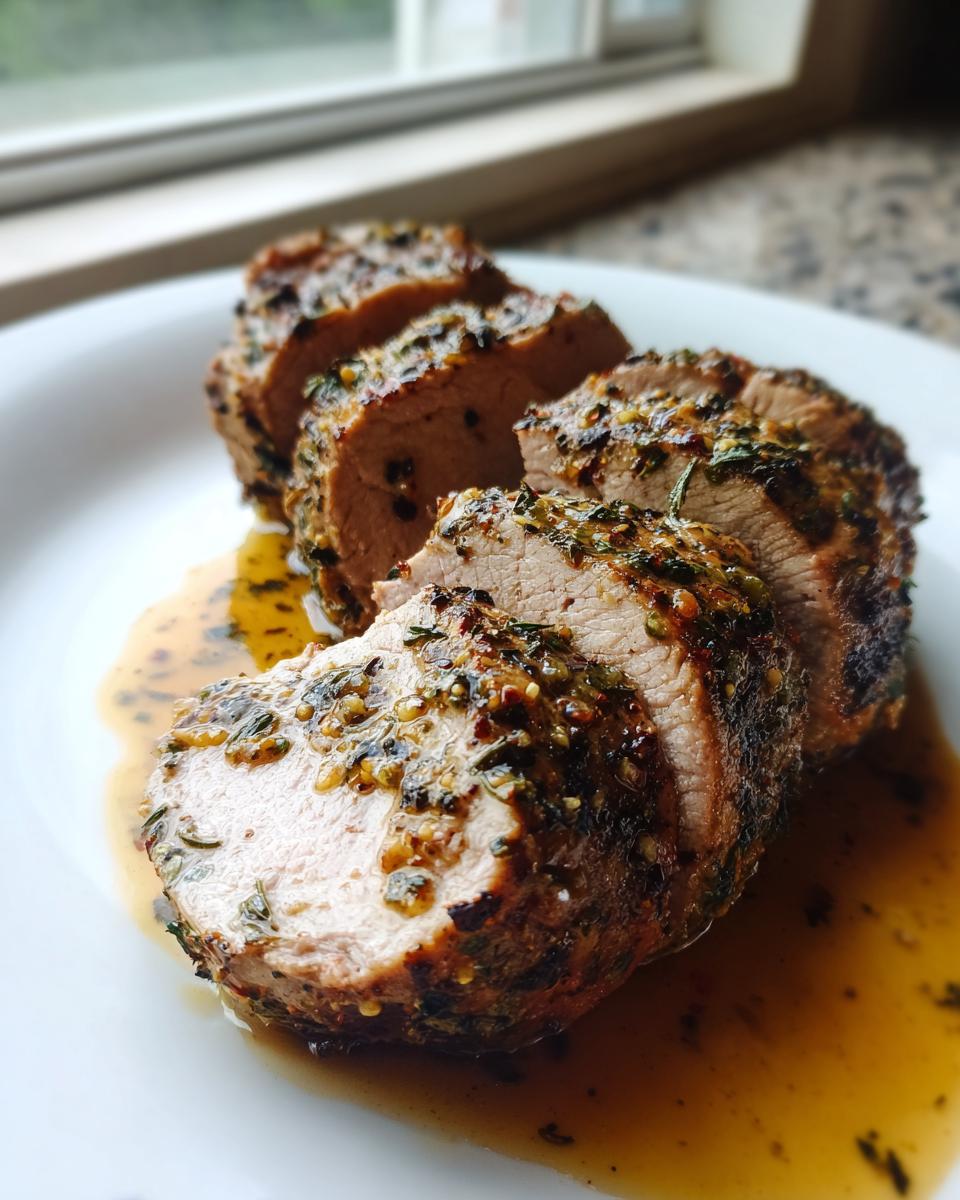
This is the most crucial step if you care about juicy pork tenderloin, so please listen to old Jade on this one! As soon as that thermometer hits 145°F, get the pork out and cover it loosely with foil on your cutting board. You have to let it rest for a full 10 minutes. Seriously, set a timer. When meat rests, the juices that rushed to the center while cooking redistribute throughout the muscle fibers. If you slice it early, all that beautiful moisture runs right out onto the board instead of staying in the meat! After the rest, slice it against the grain into half-inch medallions and spoon that gorgeous pan sauce right over the top.
Expert Tips for the Best pork tenderloin recipe Every Time
I learned the hardest way possible the importance of that resting period. Early in my test kitchen days, I was rushing a beautiful pork tenderloin out to be photographed—I think I only waited about three minutes—and when I sliced it, the cutting board looked like a tiny river! I completely failed at preserving the juices. That’s when I truly understood the pork tenderness secrets aren’t secrets at all; they are just patience!
My biggest piece of advice, beyond the thermometer, is this: choose your herbs wisely. Fresh rosemary and thyme are fantastic, but if you’re using dried spices, stick to about half the measurement. Dried herbs are concentrated, and too much can make the crust bitter rather than fragrant. This roasted pork tenderloin is already so flavorful, we just want to enhance it, not overpower it. If you’re looking for amazing sides to go with this, I have some fantastic creamy roasted garlic mashed potatoes that would be perfect!
Variations on this Garlic Herb pork tenderloin recipe
Part of the fun of having a fantastic, reliable base like this pork tenderloin recipe is knowing you can tweak it easily! Since the roasting technique itself is foolproof for keeping the meat juicy, we can play around with the flavor coatings and sauces to keep things interesting week after week. Whether you’re feeling sweet, tangy, or a little spicy, we can adapt this.
Maple Dijon Glaze Swap
If you loved the Dijon mustard in the pan sauce, let’s amp up that tanginess! To transform this into a killer Maple Dijon flavor profile, you’ll want to adjust that last step. Skip the chicken broth and instead reduce 1/4 cup of maple syrup down slightly on the stove until it just starts to bubble. Then, whisk in the tablespoon of Dijon mustard you already had, and maybe a little splash of vinegar or lemon juice if you want it sharper. Drizzle that beautiful glaze over your sliced pork instead of the herb pan sauce. It hits that sweet-and-savory note everyone loves when they search for things like easy homemade teriyaki sauce, but with a classic twist!
Quick Honey Garlic Adaptation
For those nights when you’re craving something sticky and glazed, we can lean into the honey garlic profile super easily. Instead of mixing the herb rub, just coat the pork with olive oil, salt, pepper, and a good amount of garlic powder—about 2 teaspoons is perfect. For the sauce, use the same pan drippings, but swap the broth and mustard blend for 1/3 cup of honey, 2 tablespoons of soy sauce, and a little more garlic powder. Let it simmer and thicken slightly—it sticks to the pork wonderfully! This keeps it super quick, which is exactly what you want for a fast weeknight meal.
Serving Suggestions for Your Flavorful pork tenderloin
Now that you have this perfectly roasted, ridiculously juicy pork tenderloin, we have to talk sides! You need things that soak up that lovely pan sauce we made, or maybe just something green to cut through the richness of the herbs and garlic. Since this is such an easy weeknight pork dinner that comes together fast, you want your sides to cooperate, too!
To make this a complete, satisfying meal, check out my main collection of side dish recipes. But if you need some quick ideas that pair perfectly with rosemary and thyme, here are my top picks that go straight from the oven to the table:
- Mashed Potatoes or Creamy Polenta: This is non-negotiable if you made the pan sauce! You need something fluffy to catch every drip of that Dijon-infused broth. They are just the ultimate comfort match for any simple pork roast.
- Roasted Root Vegetables: Carrots, parsnips, or even sweet potatoes tossed in olive oil and a little salt roast right alongside the pork if you have room on your pan (just make sure they aren’t touching the meat too much!). They get sweet and tender and can roast while the pork rests.
- Sautéed Green Beans with Lemon: If you want something green and crisp, skip the big oven sides and toss some fresh green beans in a hot skillet with a little butter, garlic from your spice stash, and a big squeeze of fresh lemon juice at the very end. It adds brightness that really complements the savory herbs.
- A Light Soup: Sometimes, a light starter is perfect. I adore serving this with a small cup of something smooth, like my roasted cauliflower soup. It feels fancy but uses minimal effort!
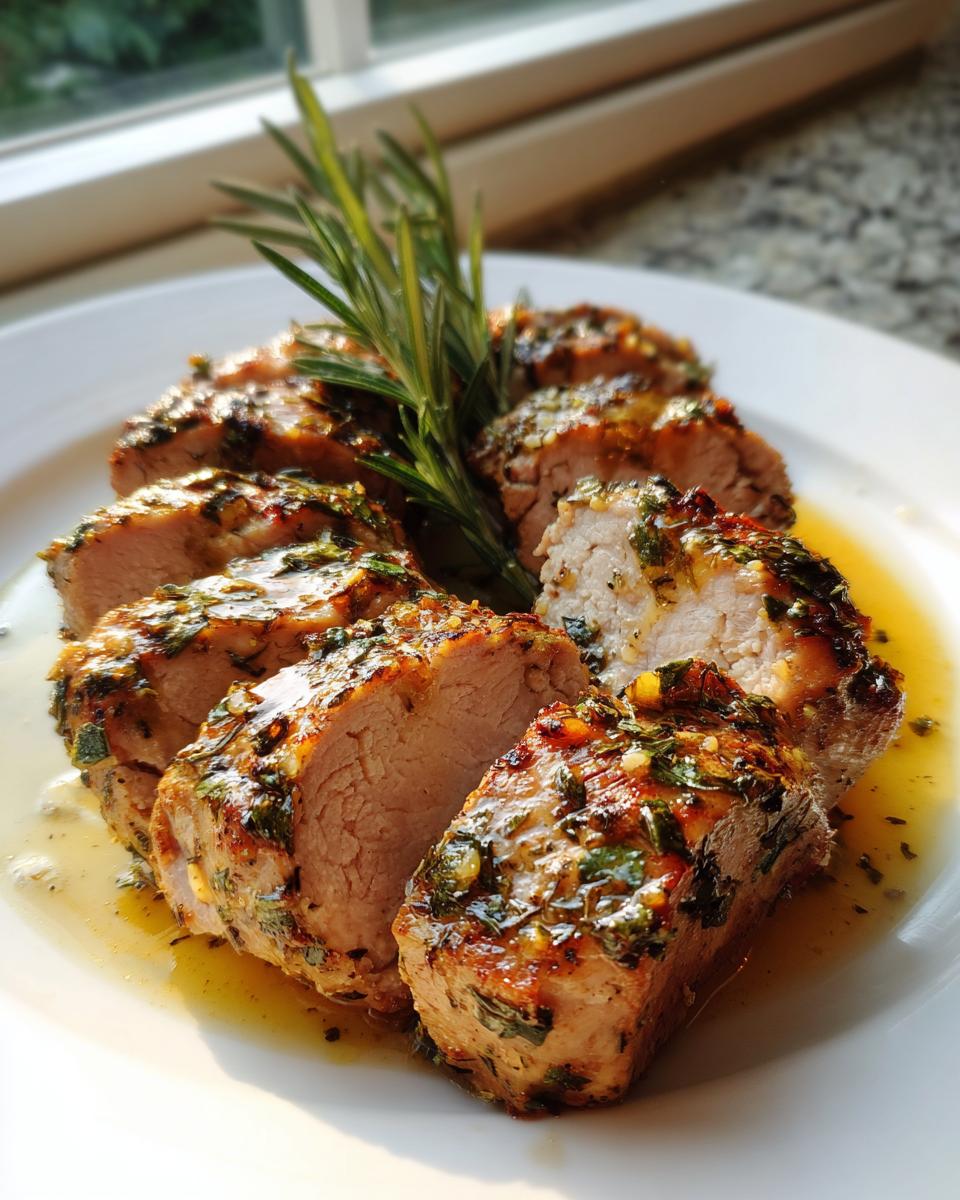
Honestly, whatever you choose, just make sure you slice that pork while it’s hot, tent it back up for just a minute while you get the plates ready, and pour that sauce liberally over the top. It’s dinner perfection!
Storage and Reheating Instructions for Leftover pork tenderloin recipe
Okay, I sincerely hope you have leftovers because this roasted pork tenderloin is genuinely amazing the next day, especially sliced thin! But because it’s such a lean cut, we need to be smart about storage to honor that beautiful juicy pork tenderloin we worked so hard to create.
First rule: keep things separate! Store the sliced pork in an airtight container. I don’t recommend storing it pre-sliced if you can help it, but if you must, make sure the container is tightly sealed. Store the gorgeous pan sauce in its own little container. If you leave the sauce poured over the meat, the pork tends to soak up all the liquid too quickly in the fridge and can definitely dry out.
Reheating to Keep it Tender
We are absolutely avoiding the microwave here if we can help it! Microwaves are the enemy of tender meat because they heat unevenly and blast out moisture. For the best results with your leftover pork tenderloin recipe, use low and slow heat on the stovetop or in the oven.
Stovetop Method (My Favorite for Slices):
- Add a tablespoon of broth, stock, or even just water to a non-stick skillet over medium-low heat. You want just enough liquid to create a little steam bath.
- Add your slices of pork—don’t crowd the pan!
- Warm them gently for just a few minutes until they are heated through. This gentle steaming keeps them tender.
Oven Method:
- Preheat your oven to a super low 300°F (150°C).
- Place the pork in an oven-safe dish and add just a splash of broth to the bottom.
- Cover the dish tightly with foil. This traps the moisture.
- Heat for about 10 to 15 minutes, checking that internal temp—you just want it warm, not piping hot!
And please, when you reheat that lovely pan sauce, just warm it gently on the stove. If it seems too thick after chilling, whisk in a teaspoon of water or broth until it loosens up again. That sauce is liquid gold; don’t waste a drop!
Frequently Asked Questions About This pork tenderloin recipe
It’s totally normal to have questions when trying a new protein, especially when you’re aiming for that perfect, reliable texture. I’ve gathered up all the things people ask me most often when they are trying this pork tenderloin recipe for the first time. If you try this and still have questions or want to give feedback, please send me a note on my contact page! I genuinely love hearing how it turns out.
How do I trim the silver skin off the pork tenderloin?
Ah, the infamous silver skin! That’s that thin, chewy, silvery membrane you sometimes see running along the outside of the tenderloin. It won’t break down during cooking, so you definitely need to remove it if you want a truly tender pork recipe. Here’s my quick trick: Slip the tip of a small, sharp knife (a paring knife works great) underneath one end of the silver skin, making sure the blade is angled slightly *up* towards the skin and *away* from the meat. Gently slide the knife along the length of the membrane, keeping the blade flush with the meat, and just slice that tough layer right off. It comes off in one strip, and you’re set to get that perfect roast!
Can I make this pork tenderloin recipe ahead of time?
Yes! This is one of the best things about using a reliable oven baked pork tenderloin method. You can absolutely do the prep work ahead of time. I recommend making the garlic herb rub, mixing it up with the oil, and spreading it all over the pork tenderloin. Wrap that tightly in plastic wrap and stick it in the fridge. It can marinate like that for up to 24 hours, which actually makes the resulting roast even more flavorful! However, I strongly advise against cooking it ahead of time. This recipe shines because it goes from fridge to oven and then rests right before slicing—that process is essential for maximum juiciness.
What is the difference between pork tenderloin and pork loin?
This confuses so many pork tenderloin for beginners! They are two totally different cuts, and you absolutely cannot swap them directly in this recipe without adjusting the cooking time significantly. The tenderloin is the long, thin cut running along the inside of the pig—it’s very lean and cooks very quickly. The pork loin, on the other hand, is much thicker, wider, and usually sold as a roast. It has more fat marbling and takes much longer to cook. For this quick, high-heat roasting method, stick strictly to the tenderloin to ensure it stays juicy!
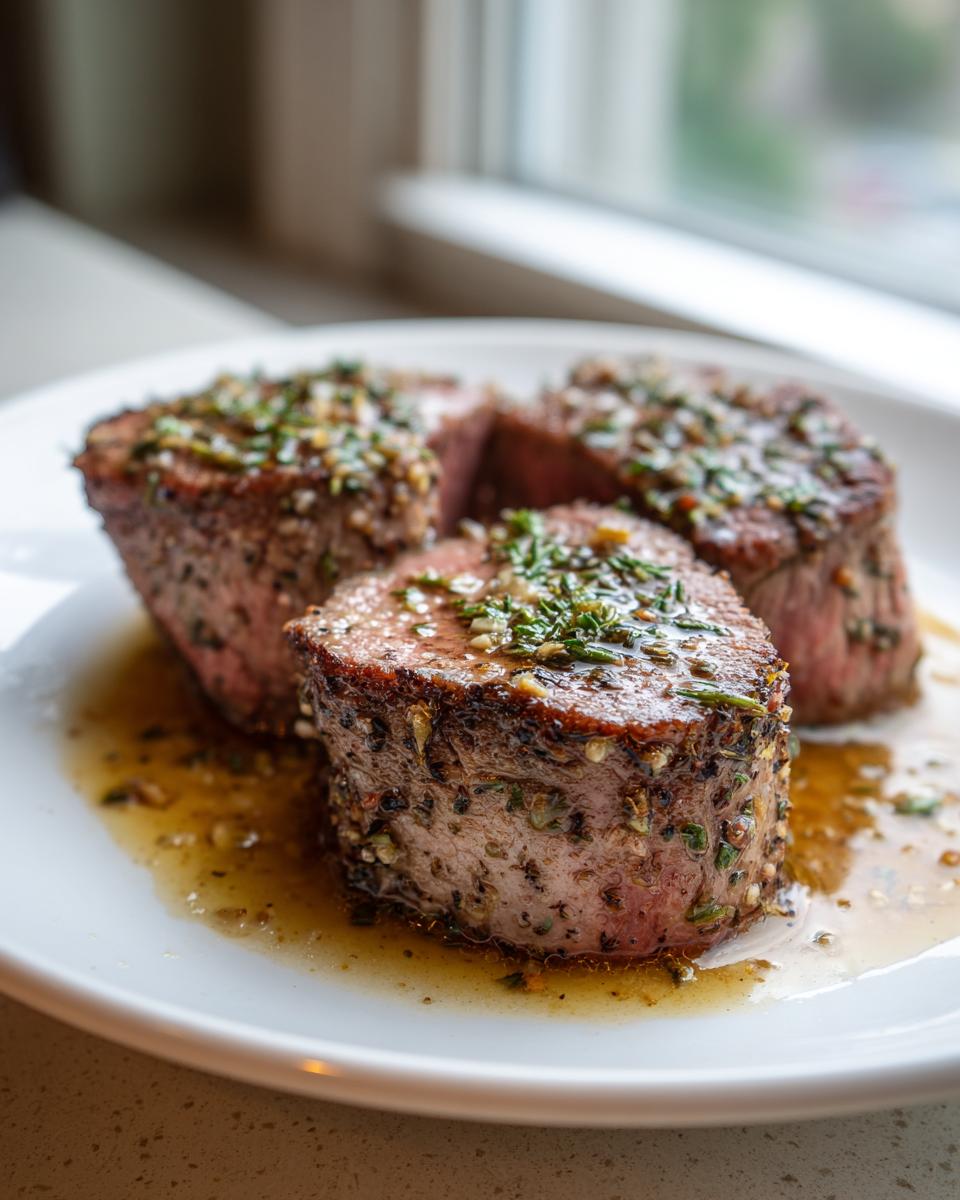
Nutritional Snapshot of Garlic Herb Roasted Pork Tenderloin
I always want you to feel good about the food you’re bringing to your table, and this Garlic Herb Roasted pork tenderloin recipe is a fantastic choice for a healthy, high-protein meal! Since I have a background in nutrition, I know how important it is to see the numbers, even when we are focused on flavor. Remember, this cut is naturally low in fat, which is why those external fats (like our olive oil rub) are so important for flavor and tenderness!
Here are the estimated numbers based on the recipe itself. Please keep in mind that these are just starting points—if you decide to double the Dijon mustard or skip oiling the pan, the averages will change slightly!
- Serving Size: 4 oz cooked meat
- Calories: 240
- Protein: 34g
- Fat: 10g
- Saturated Fat: 3g
- Unsaturated Fat: 7g
- Trans Fat: 0g
- Carbohydrates: 2g
- Fiber: 0g
- Sugar: 1g
- Cholesterol: 95mg
- Sodium: 350mg
As you can see, this dish really shines in the protein department while keeping carbs and sugar incredibly low! It’s a beautiful, healthy pork tenderloin option that doesn’t taste like “diet food” at all. If you are watching your sodium for any reason, just use a low-sodium salt substitute or skip adding extra salt to the rub, as the broth in the sauce adds a little bit!
PrintGarlic Herb Roasted Pork Tenderloin with Simple Pan Sauce
Make a juicy and tender pork tenderloin using this easy oven-baked recipe. The garlic herb crust locks in moisture, and a quick pan sauce adds flavor for an impressive weeknight dinner.
- Prep Time: 10 min
- Cook Time: 25 min
- Total Time: 45 min
- Yield: 4 servings 1x
- Category: Dinner
- Method: Roasting
- Cuisine: American
- Diet: Low Fat
Ingredients
- 1 pork tenderloin (about 1.5 lbs)
- 2 tablespoons olive oil
- 4 cloves garlic, minced
- 1 tablespoon fresh rosemary, chopped
- 1 tablespoon fresh thyme leaves
- 1 teaspoon salt
- 1/2 teaspoon black pepper
- 1/2 cup chicken broth
- 1 tablespoon Dijon mustard
- 1 teaspoon cornstarch mixed with 1 tablespoon cold water (slurry)
Instructions
- Preheat your oven to 400°F (200°C). Pat the pork tenderloin dry with paper towels.
- In a small bowl, mix the minced garlic, chopped rosemary, thyme, salt, and pepper. Rub the olive oil over the entire surface of the pork tenderloin.
- Press the herb mixture firmly onto all sides of the pork tenderloin to create a crust.
- Place the seasoned pork tenderloin in a roasting pan or on a rimmed baking sheet.
- Roast for 20 to 25 minutes, or until an instant-read thermometer inserted into the thickest part registers 145°F (63°C).
- Remove the pork from the pan and transfer it to a cutting board. Tent loosely with foil and let it rest for 10 minutes before slicing. This step is key for juicy pork tenderloin.
- While the pork rests, place the roasting pan over medium heat on the stovetop (if oven-safe) or pour the drippings into a small saucepan.
- Add the chicken broth to the pan, scraping up any browned bits from the bottom. Bring to a simmer.
- Whisk in the Dijon mustard. Stir in the cornstarch slurry and cook for 1 minute until the sauce thickens slightly.
- Slice the rested pork tenderloin into 1/2-inch thick medallions. Serve immediately with the pan sauce spooned over the top.
Notes
- For the juiciest pork tenderloin, use a meat thermometer. Pull it from the oven right at 145°F; carryover cooking will bring it up a few degrees.
- If you do not have fresh herbs, you can substitute 1 teaspoon dried rosemary and 1/2 teaspoon dried thyme.
- This simple pork roast pairs well with mashed potatoes or roasted vegetables for a complete meal.
Nutrition
- Serving Size: 4 oz cooked meat
- Calories: 240
- Sugar: 1
- Sodium: 350
- Fat: 10
- Saturated Fat: 3
- Unsaturated Fat: 7
- Trans Fat: 0
- Carbohydrates: 2
- Fiber: 0
- Protein: 34
- Cholesterol: 95