

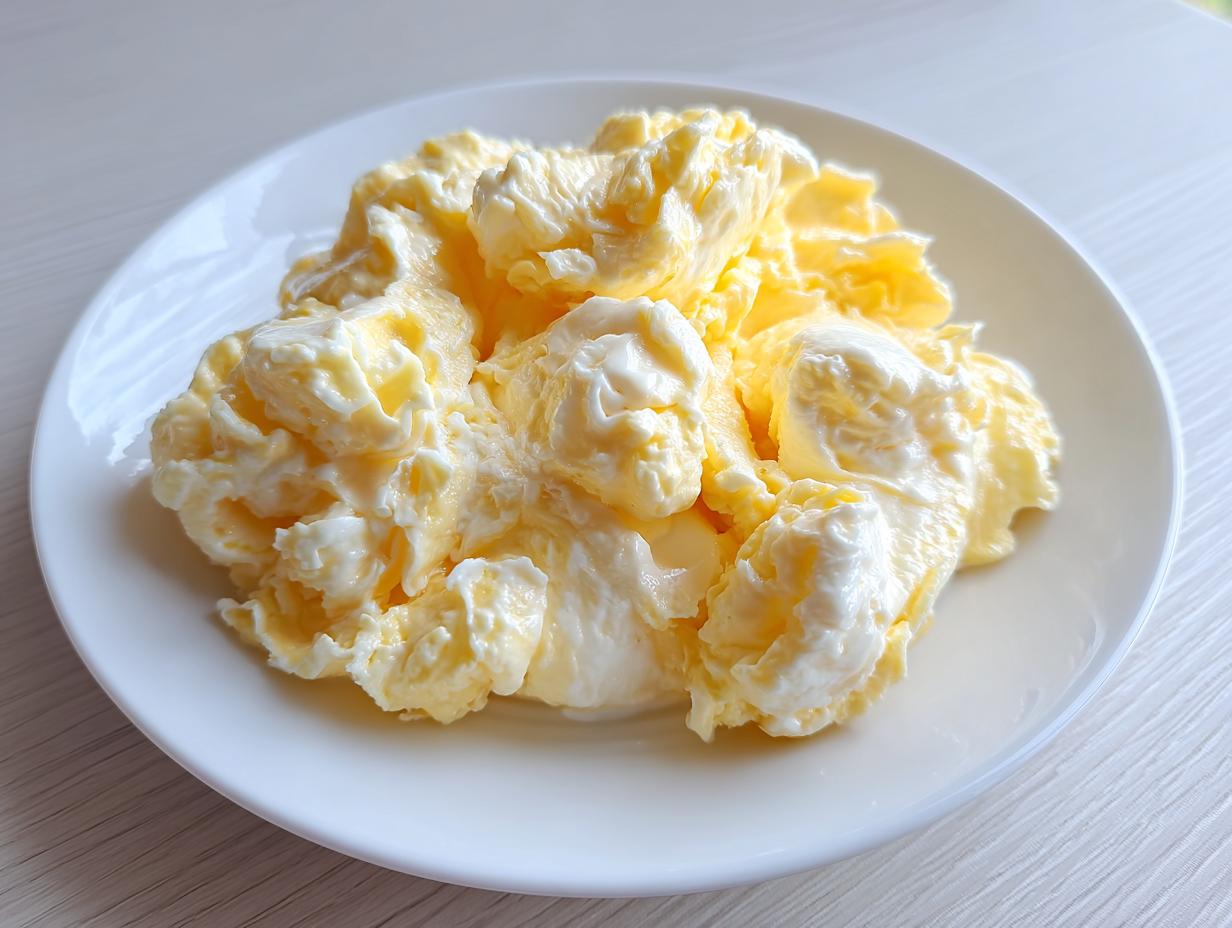
There’s just something unbeatable about a truly perfect breakfast, right? Forget complicated brunch items for a minute; we’re talking about the simplicity and comfort of expertly made scrambled eggs. For years, I watched people overcook them—making them rubbery or dry—and I knew I had to step in. When I was learning to cook, I realized that too many recipes made things sound harder than they needed to be. That’s why this method is my absolute favorite way to teach people how to nail that dreamy, custard-like texture. Trust me, this foolproof recipe reveals the simple steps for achieving the ultimate Creamy and Fluffy Scrambled Eggs you’ve always wanted!
- Why This Recipe Delivers the Best Creamy and Fluffy Scrambled Eggs
- Gathering Ingredients for Perfect Scrambled Eggs
- Step-by-Step Instructions for Creamy Scrambled Eggs
- Tips for Success: Mastering Your Scrambled Eggs
- Serving Suggestions for These Savory Egg Dishes
- Storage and Reheating Instructions
- Frequently Asked Questions About Scrambled Eggs
- Estimated Nutritional Data for Your Scrambled Eggs
- Share Your Perfect Scrambled Eggs Experience
Why This Recipe Delivers the Best Creamy and Fluffy Scrambled Eggs
So many recipes promise perfection, but they often end up tasting like something you’d get at a sad hotel buffet. We are avoiding that fate! The reason this recipe works so well for truly delicious scrambled eggs is that we are intentionally targeting both fluffiness AND creaminess at the same time. It’s a balancing act, but I cracked the code on it years ago in the test kitchen.
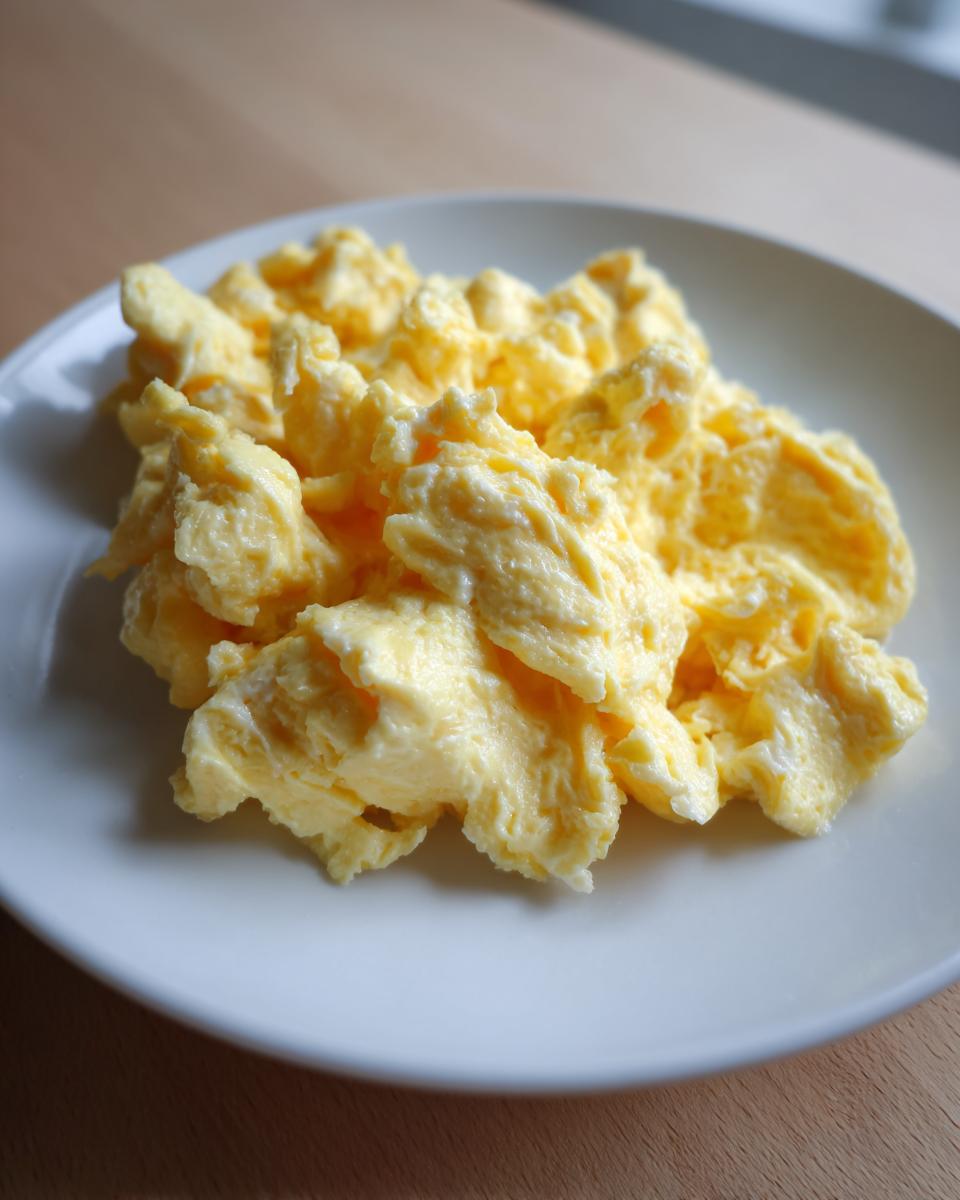
- They are unbelievably soft; no rubbery bits allowed!
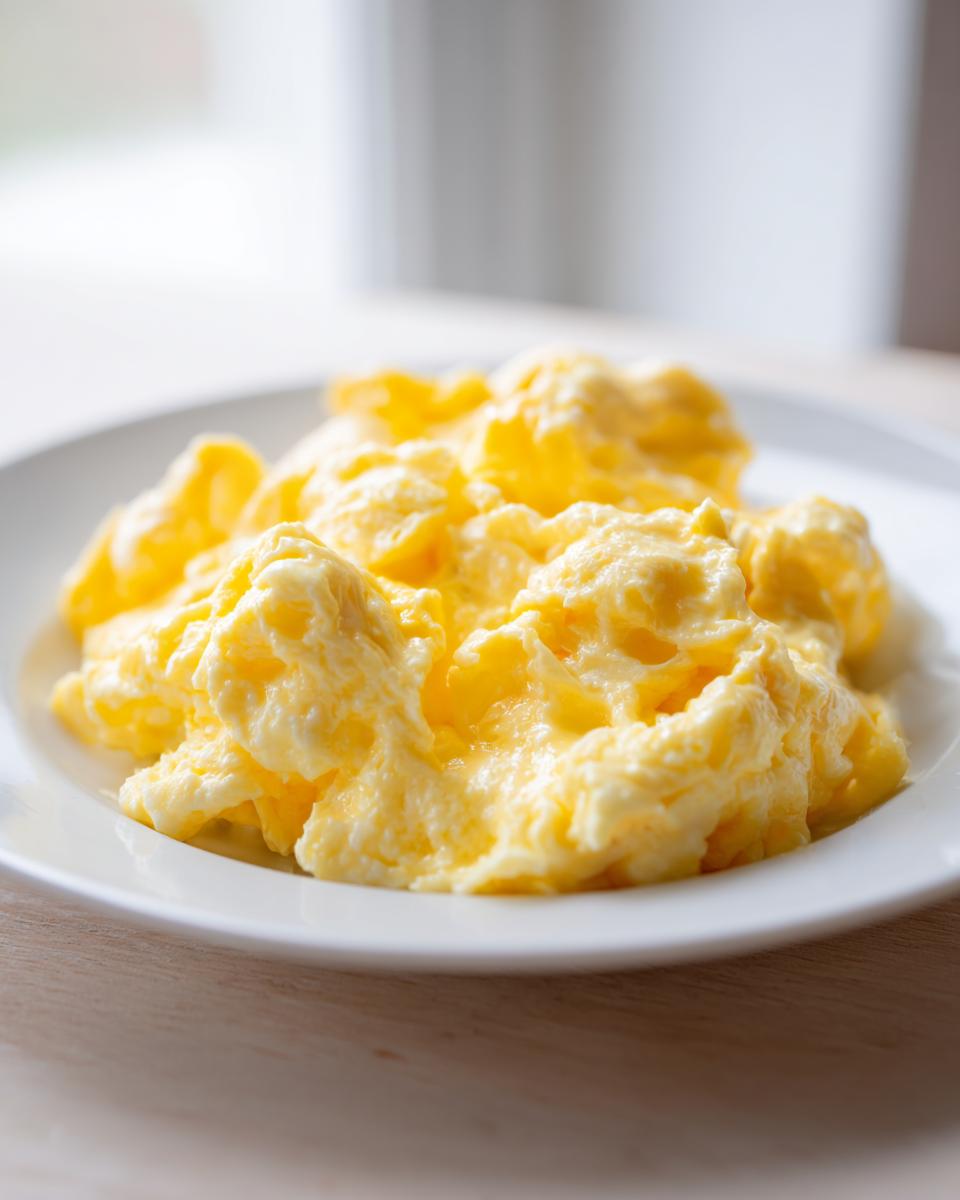
- The texture is rich and velvety, almost custardy.
- It’s fast enough for a proper weekday breakfast.
Achieving True Custardy Scrambled Eggs Texture
The secret sauce for that melt-in-your-mouth quality is all about temperature control. We rely heavily on Low Heat Cooking Methods. I know it feels slow, but cooking low and slow allows the proteins in the egg to set gently. If you crank the heat, you squeeze all the moisture out, and boom—you have dry, tough eggs instead of creamy ones. Gentle heat and patient stirring invite that rich, wonderful texture into every curd.
The Fluffy Eggs Technique: Incorporating Air
For the ‘fluffy’ part of the equation, we need air! This is where the initial whisking comes in. You aren’t just mixing the yolks and whites; you are actively whipping them into the liquid until they froth up a bit. This intense incorporation of air is the core of the Fluffy Eggs Technique. When that airy mixture hits the warm pan, those tiny bubbles expand, giving you that lift we all love!
Gathering Ingredients for Perfect Scrambled Eggs
Okay, listen up, because with something as simple as scrambled eggs, ingredient quality really does shine through. We keep the list short, which is perfect for those days when you just need a Quick Morning Meal!
- 3 large eggs (Make sure they’re cold—it actually helps with the whisking!)
- 1 tablespoon half and half or whole milk (Don’t skimp here, we need the fat!)
- 1 teaspoon unsalted butter (Use the real stuff, please!)
- A small pinch of just salt and black pepper.
Ingredient Notes and Substitutions
I strongly suggest using half and half or whole milk here over skim. That little bit of extra fat is what helps build that beautiful creamy structure we are after; skim milk just waters down the flavor profile. If you want to fold in cheese—and who wouldn’t?—a sharp cheddar works wonders for Scrambled Eggs with Cheese. Make sure you shred it fresh! As for dietary needs, you can swap the half and half for any unsweetened plant-based milk if you need, but try to keep that fat content up for texture!
Step-by-Step Instructions for Creamy Scrambled Eggs
This is where the magic happens, and honestly, this is where those beginner cooks build confidence! Making amazing scrambled eggs is all about following the order of operations. You need the fluffiness base built before they even touch the pan. Don’t worry about making it perfect; we’re slowing everything down so you see exactly what’s happening.
Preparation: Whisking for Maximum Volume
First things first: Get those eggs cracked into a good, sturdy bowl. Toss in your half and half—or whole milk, remember what we said about fat!—along with your salt and pepper. Now, grab your whisk. I mean it, whisk this mixture like you mean it! You want to whip the air into it until everything is totally uniform. There should be no streaks of white or just yolk. When you see it get a little frothy on top, you’ve hit that sweet spot for fluffiness. Seriously, don’t rush this part!
The Low Heat Cooking Methods for Scrambled Eggs
Next, we move to the stovetop. Set your favorite non-stick skillet—and I mean *favorite*—over low heat. We are not messing around with medium or high heat today! Drop in that teaspoon of butter and let it melt until it just starts to foam, but don’t let it brown at all. Now pour in your glorious egg mixture. Let it sit there, just sitting, for about 30 seconds until you can see the edges starting to solidify a whisper. That’s your cue!
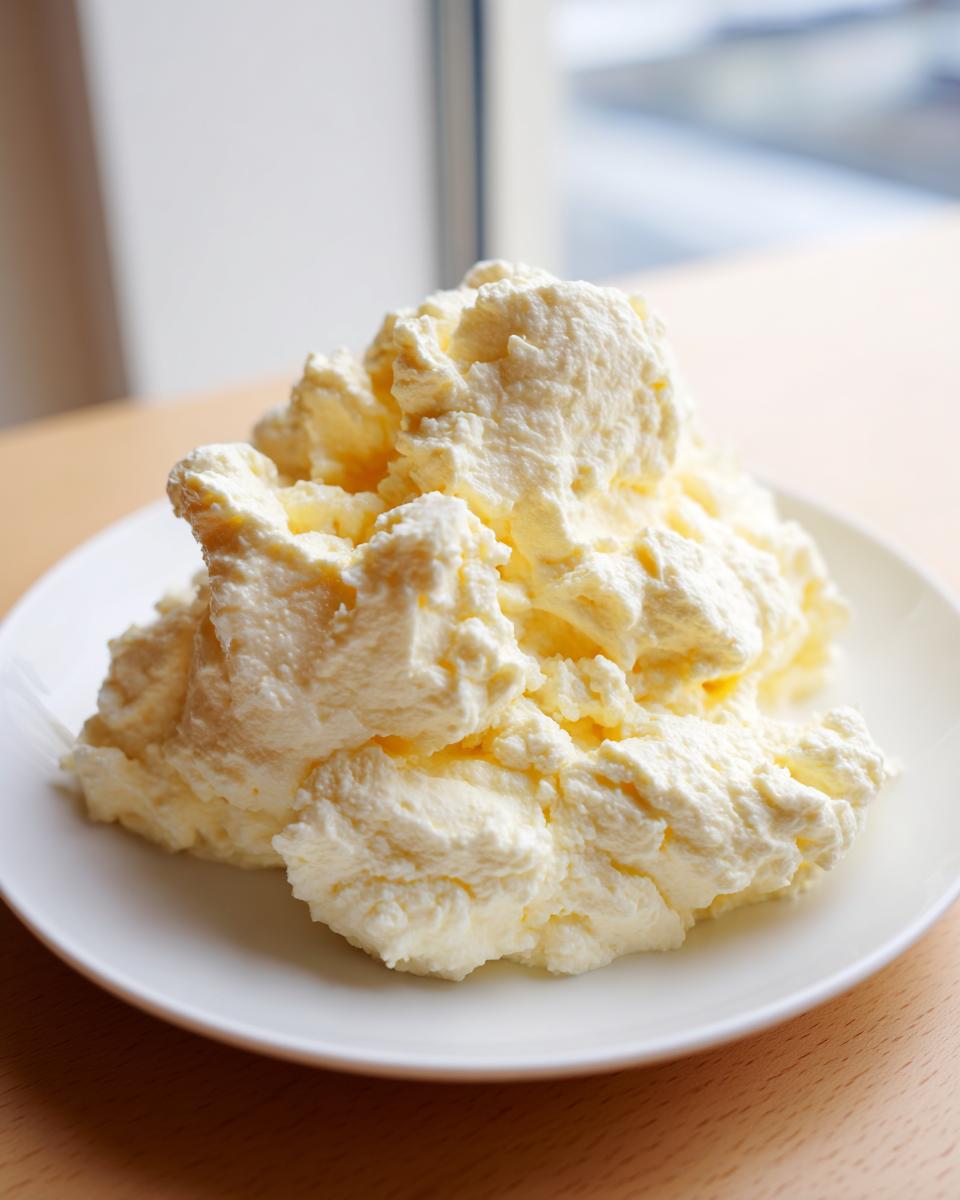
Grab a soft rubber spatula. We aren’t stirring aggressively; we are gently pushing the cooked edges inward toward the center. As you push, tilt the pan so the raw, runny egg flows right underneath where you just cleared space. Keep doing this folding motion slowly across the pan surface. This gentle manipulation is key to great Chef Tips for Eggs.
Keep going until the mass looks *almost* done—still glossy and definitely looking a little wetter than you think they should be. This is my biggest tip from the test kitchen: Immediately pull the pan completely **off** the heat source. The residual heat will keep cooking them to that perfect custardy finish. If you wait until they look dry in the pan, they’ll be overdone on the plate! If you need to check our privacy policy while you wait, you can see that detail here: Privacy Policy.
Tips for Success: Mastering Your Scrambled Eggs
Even with the best recipe, sometimes things go sideways, right? I remember my first few weeks working in a professional kitchen; I was so focused on being *fast* that I cooked my eggs over what I thought was medium heat. They turned into tiny, chewy little pebbles! It was a disaster. I learned then that when it comes to creating perfect, tender scrambled eggs, heat control trumps speed every single time. Slow and gentle wins the race for supreme softness.
Don’t panic if your first batch isn’t textbook perfect. It takes a little practice to learn your stove’s ‘low’ setting. Keep practicing that gentle folding motion, and you’ll see a massive improvement immediately!
When to Add Salt and Seasonings
This is one of those debates that can start arguments in my family kitchen! Do you salt before or after? For this low-and-slow method to achieve that creamy texture, I actually salt my eggs *before* I whisk them, just like we did in the steps above. Some chefs insist salting too early breaks down the structure, but I find it seasons the eggs more evenly before they cook. If you’re going to add fresh herbs, like snippy, bright Scrambled Eggs with Chives, wait until right at the very end—even after removing the pan from the heat. They look prettier and keep their freshness better that way!
Serving Suggestions for These Savory Egg Dishes
Whew! You’ve made it. Your eggs are soft, glossy, and heavenly. Now, the fun part: deciding how to eat this masterpiece! While these creamy scrambled eggs are pure comfort all on their own, they really shine when you pair them with the right items. This recipe easily elevates a simple morning into a wonderful Brunch Recipe sit-down affair.
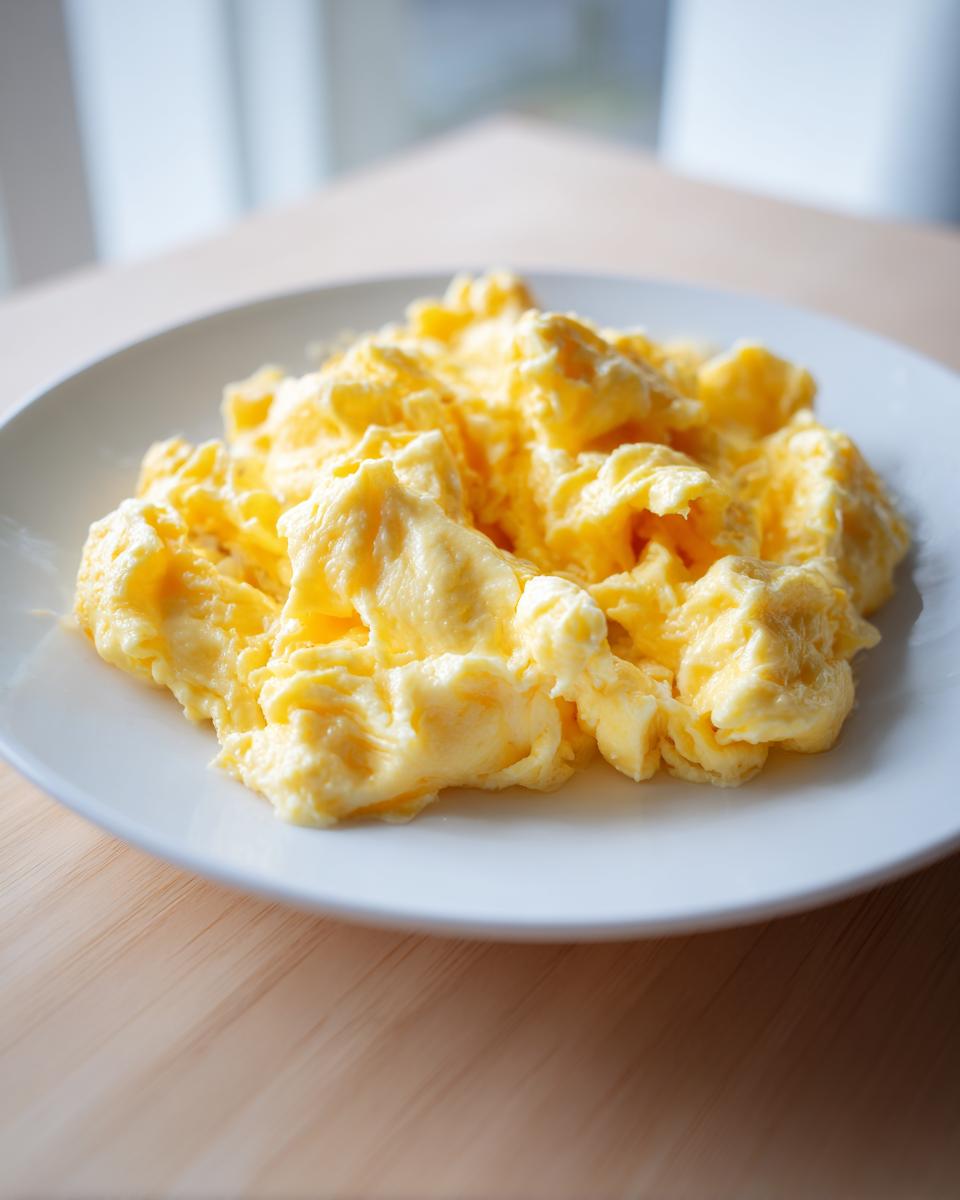
Don’t just dump them on a plate! Presentation matters, even if it’s just for you on a Tuesday. These eggs are rich, so they pair best with something crisp or acidic to cut through the buttery flavor. Think about serving them over a slice of thick, buttered sourdough toast—seeing that soft, yellow mound against the golden crust is just beautiful. They are truly the ultimate Comfort Food Breakfast when served like that.
If you’re serving a bigger spread, try pairing them with some crispy bacon or pan-fried breakfast potatoes. They also make an amazing base for building more elaborate meals. Seriously, try using these creamy eggs as the filling for a breakfast taco, or folding them right into an omelet wrap! You’ll find that mastering this soft texture opens up so many possibilities for your morning routine.
Storage and Reheating Instructions
Okay, I’m just going to tell you the hard truth upfront: these creamy, custardy scrambled eggs are best eaten the second they come out of the pan. Like, immediately! Because we cook them so gently, the texture is incredibly delicate. If you try to save them for lunch, they are going to seize up and get a little tough and sad.
That said, sometimes life happens, and leftovers appear! If you absolutely must save them, try storing them in a shallow, airtight container in the fridge, but only for about 24 hours maximum. Don’t pack them down tightly; try to keep them light.
Reheating these is tricky, but I have a couple of secrets for you. Never, ever try to just fry them up again on the stovetop—that guarantees dense, rubbery eggs. If you have to reheat them, use the microwave, but you need a little trick!
The Best Way to Reheat Custardy Eggs
For the best chance of bringing back some life, put your portion of leftover eggs into a microwave-safe bowl. You absolutely must add a tiny splash—I mean, maybe a quarter teaspoon—of liquid. Whole milk or even just water works here. This helps generate some steam in the microwave, which prevents them from drying out completely.
Microwave them in 10-second bursts. Stir gently between each burst. It takes patience, but stirring keeps the curds from getting hard in one spot. They won’t be *quite* as luxurious as when they were fresh, but they’ll definitely be edible and stay true to the soft texture we aimed for in the first place!
Can I use these cooked eggs in other dishes later?
If you aren’t planning on eating the leftovers within a day, consider using them ASAP in a dish where their slight texture change won’t matter as much. They are perfect chopped up right into a breakfast burrito or mixed into some fried rice! Sometimes repurposing them into another meal is better than trying to reheat them solo. They retain their flavor well, even if the texture softens slightly when chilled.
Frequently Asked Questions About Scrambled Eggs
I get so many questions about eggs because everyone wants their perfect version! Since this recipe focuses on that slow and creamy texture, some of the quick fixes or common concerns pop up a lot. Here are the top things people ask when trying to master their morning Quick Morning Meal.
Can I Make Fluffy Eggs Without Milk or Cream?
Absolutely, you can! If you’re out of half and half or just keeping things dairy-free, the whisking is actually the most critical part for fluffiness. Make sure you really whip air into those eggs until they are noticeably frothy—that physical act of incorporating air creates lift. If you want a little insurance, try adding just a teaspoon of water or even club soda instead of milk. The carbonation releases great steam bubbles during cooking, which helps keep them light, even if you lose a tiny bit of that rich, fatty creaminess.
What is the fastest way to cook scrambled eggs?
If you really need the absolute fastest route to cooked eggs, you are going to have to sacrifice some of that beautiful creamy texture we worked so hard for in the main recipe. For a true 5 Minute Breakfast, skip the low heat entirely. You’ll need medium-high heat and constant, aggressive stirring. The eggs will cook quickly everywhere at once, resulting in smaller, firmer curds—think less ‘custardy’ and more ‘diner style.’ If you need a quick High Protein Breakfast and speed is the ultimate goal, that faster method works, but for mine, I stand by the low-and-slow approach every single time for the best flavor!
Got more questions about getting the perfect yellow color, or perhaps how to sneak in some vegetables without compromising texture? Feel free to drop me a line anytime through my contact page. I love hearing how my simple recipes are working out in your kitchens!
Estimated Nutritional Data for Your Scrambled Eggs
Now, I know some of you skip this part, but since I studied nutrition, I wanted to include a little snapshot of what you just made! Remember, these are estimates based on the exact ingredients listed in the recipe above—using those three large eggs, the half and half, and the butter. It’s good to know you’re getting a fantastic, high-quality start to your day!
This recipe is definitely leaning into the High Protein Breakfast category, which is one of the reasons I love it so much. Here’s the breakdown per serving:
- Calories: Approximately 210 per serving
- Protein: A solid 13 grams!
- Fat: Around 16 grams—this is where the creaminess comes from!
- Carbohydrates: Super low, only about 2 grams.
You’ll also notice the cholesterol is a bit higher, which is totally normal when you use three yolks, so don’t sweat it. Just remember that these numbers are helpful guidelines, not strict dietary mandates! Life is too short to count every molecule when you are enjoying something this delicious, so enjoy those fantastic scrambled eggs!
Share Your Perfect Scrambled Eggs Experience
Whew! We made it to the finish line, and that means you’ve made yourself a plate of the best scrambled eggs anyone could ask for—creamy, fluffy, and ready in minutes. I genuinely hope you found the whole process relaxing and that you got those soft, beautiful curds we talked about!
Now, I really want to hear about it! This is the part of cooking that separates just reading a recipe from being part of this little community we’re building here. Did you manage that low-and-slow cook without getting impatient? Did you achieve peak creaminess, or are you going to try that high-heat trick next time?
Please, please, please leave a comment below and let me know how they turned out! A quick rating—even saying “Five stars, finally no more rubbery eggs!”—helps other busy cooks know this recipe is the real deal. It really means the world to me when I see people sharing their successes with these simple, delicious meals.
And if you loved these Easy Egg Recipes, don’t be shy! Share this guide with a friend who always burns their breakfast. Let’s get everyone on the low-heat train together!
PrintThe Best Creamy and Fluffy Scrambled Eggs
Learn the simple technique for making perfectly soft, creamy, and fluffy scrambled eggs every time, ideal for a quick and satisfying breakfast.
- Prep Time: 2 min
- Cook Time: 5 min
- Total Time: 7 min
- Yield: 1 serving 1x
- Category: Breakfast
- Method: Stovetop Cooking
- Cuisine: American
- Diet: Vegetarian
Ingredients
- 3 large eggs
- 1 tablespoon half and half or whole milk
- 1 teaspoon unsalted butter
- Pinch of salt
- Pinch of black pepper
Instructions
- Crack the eggs into a medium bowl. Add the half and half, salt, and pepper.
- Whisk the mixture vigorously until the yolks and whites are completely combined and the mixture is slightly frothy. This incorporates air for fluffiness.
- Place a non-stick skillet over low heat. Add the butter and let it melt completely until it foams slightly.
- Pour the egg mixture into the skillet. Let the eggs sit undisturbed for about 30 seconds until the edges just begin to set.
- Using a rubber spatula, gently push the cooked eggs from the edge toward the center, tilting the pan so the uncooked egg flows underneath.
- Continue this gentle pushing and folding motion slowly across the pan. Do not stir rapidly.
- Cook until the eggs are mostly set but still look slightly wet and glossy. This low and slow method creates creaminess.
- Remove the pan from the heat immediately. The residual heat will finish cooking them to a soft, custardy texture.
- Serve right away for the best texture.
Notes
- For extra flavor, stir in 1 tablespoon of shredded cheddar cheese during the last 30 seconds of cooking.
- For a fresh addition, sprinkle with finely chopped chives just before serving.
- Do not overcook; remove the eggs when they look slightly underdone for the creamiest result.
Nutrition
- Serving Size: 1 serving
- Calories: 210
- Sugar: 1
- Sodium: 150
- Fat: 16
- Saturated Fat: 8
- Unsaturated Fat: 8
- Trans Fat: 0
- Carbohydrates: 2
- Fiber: 0
- Protein: 13
- Cholesterol: 550