

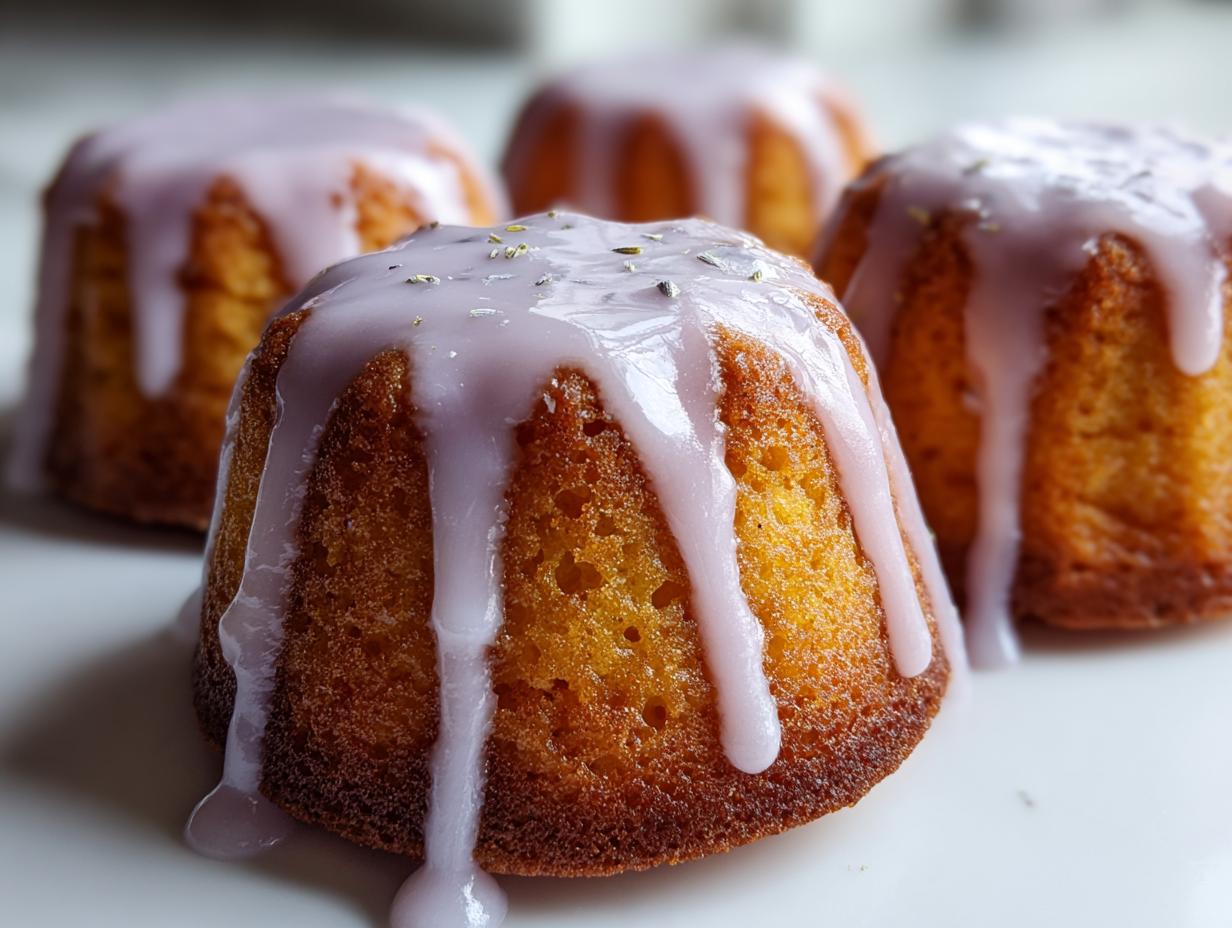
When spring finally rolls around, my kitchen just demands bright, floral flavors. I’m talking about desserts that look gorgeous on a platter but truly taste even better than they look! Forget wrestling with layer cakes; we’re making something perfectly portioned that still manages to be incredibly moist. I developed these mini lemon cakes with lavender glaze because I truly believe elegance shouldn’t mean complication. When I developed this recipe, I leaned hard on what I learned working in test kitchens—taking Jade Carter’s philosophy about foolproof results and applying it to small-batch baking. Trust me, the combination of tangy lemon and subtle, aromatic lavender is pure magic, and this recipe is so reliable, anyone can nail it on their first try. If you need another amazing small treat, check out my recipe for carrot cake bars!
- Why You Will Love These Mini Lemon Cakes with Lavender Glaze
- Essential Equipment for Perfect Mini Lemon Cakes with Lavender Glaze
- Gathering Ingredients for Moist Mini Lemon Cakes with Lavender Glaze
- Step-by-Step Instructions for Your Mini Lemon Cakes with Lavender Glaze
- Tips for Achieving the Best Lemon Lavender Glaze Recipe
- Troubleshooting Common Issues with Individual Lemon Desserts
- Storage and Make-Ahead Instructions for Your Mini Lemon Cakes
- Serving Suggestions for Your Mini Lemon Cakes with Lavender Glaze
- Frequently Asked Questions About Bright Citrus Cakes
Why You Will Love These Mini Lemon Cakes with Lavender Glaze
Honestly, these treats hit every single checkmark for what a perfect small dessert should be. I wouldn’t waste my time making something that wasn’t absolutely worth the effort, and these absolutely are. Here’s why you’re going to want to whip up a batch of these mini lemon cakes with lavender glaze right now:
- Perfect Portion Control: They come out of the muffin tin already sized for individual plates. No messy slicing needed, which is a huge win for entertaining!
- The Flavor Combo is Next Level: You get that vibrant, mouth-puckering bright citrus from the lemon paired with the dreamy, soft floral notes of the lavender. It just screams spring!
- Incredibly Moist Cake: We use buttermilk in the batter, which reacts with the baking soda to keep the crumb tender and never dry—even the next day.
- Foolproof Glaze Experience: The lavender infused icing is simple, but it looks so elegant! It turns a simple muffin into an elegant individual dessert fit for a fancy tea party.
- Super Quick Bake Time: Since they are small, they bake up so fast! You can have these ready from preheating to cooling rack faster than most standard layer cakes.
- Fantastic Make-Ahead Potential: You can bake the cakes ahead of time and glaze them the morning you serve them. Easy hosting! If you love quick baking, you should check out my recipe for cranberry orange scones, too.
Essential Equipment for Perfect Mini Lemon Cakes with Lavender Glaze
Look, I’m not going to tell you to buy every fancy gadget out there. That’s not my style! But for these bright citrus cakes to turn out exactly as they should—moist, perfectly shaped, and flawlessly glazed—you need a few specific things handy. Getting the equipment ready first makes the whole baking process so much smoother, I promise.
First off, you need something to bake them *in*. Since we are aiming for individual serving lemon treats, a standard 12-cup muffin tin is what I use every time. Make sure it’s a good quality pan! If you have liners, great, use those. If not, just grease and flour it really well. If you’re looking for tips on getting those little egg bites ready for the week, I have a great list of equipment for that make-ahead breakfast.

For mixing, you just need your staples: a couple of mixing bowls—one large for the creamed butter and sugar, and one smaller one for whisking dry ingredients. A sturdy whisk is key for the batter, but an electric mixer (handheld or stand) is going to make creaming that butter and sugar so much easier and lighter!
The glaze is where a couple of small but important tools come into play. You absolutely need a fine-mesh sieve to strain the warm milk after steeping the lavender buds. If you skip this, you’ll end up with little tough flower bits in your gorgeous lavender infused icing, and we definitely don’t want that!
- 12-cup standard muffin tin (or small individual bundt pans, adjust time accordingly).
- Parchment paper or liners (optional, but recommended for easier release).
- Electric mixer (hand mixer works great for creaming).
- Rubber spatula for scraping down the sides.
- Saucepan (small one for warming the milk for the glaze).
- Fine-mesh sieve for straining the lavender from the milk.
- Whisk and several mixing bowls.
Gathering Ingredients for Moist Mini Lemon Cakes with Lavender Glaze
Okay, ingredient prep! This is where we set ourselves up for success when making these mini lemon cakes with lavender glaze. Getting everything measured out and prepped before you even turn on the mixer is Jade Carter’s big secret to staying calm in the kitchen, and it works wonders here. We want these small batch lemon cakes to be perfectly moist, so pay close attention to the butter and citrus!
For the lemon cake portion, we’re relying on buttermilk and fresh lemon juice to give us that tangy interior. And please, make sure your butter is actually softened—we need it to cream up light and fluffy, not fight us! If you’re looking for another wonderfully bright bake, check out my recipe for lemon zucchini bread.
Cake Batter Ingredients
- 1 1/2 cups all-purpose flour
- 1 teaspoon baking powder
- 1/2 teaspoon baking soda
- 1/4 teaspoon salt
- 1/2 cup unsalted butter, softened (soft is crucial; no melting!)
- 1 cup granulated sugar
- 2 large eggs (room temperature is best, if you remember!)
- 1/2 cup buttermilk
- 1/4 cup fresh lemon juice
- 1 tablespoon lemon zest (get all that bright yellow part!)
- 1 teaspoon vanilla extract
Lavender Glaze Ingredients
This is the star feature! When you buy lavender for baking, you must make sure it says ‘culinary lavender buds.’ The kind you use for candles or potpourri probably tastes awful, so always double-check that label. We are infusing the milk to get that delicate floral essence.
- 2 cups powdered sugar, sifted (sifting prevents lumps in your icing!)
- 3 tablespoons milk or cream
- 1 tablespoon fresh lemon juice
- 1 teaspoon dried culinary lavender buds
- 1 teaspoon lavender extract (totally optional, but great if you want a serious lavender punch)
Step-by-Step Instructions for Your Mini Lemon Cakes with Lavender Glaze
Alright, let’s get baking! This is the part where the magic happens, and I promise it is straightforward. Follow these steps exactly for your mini lemon cakes with lavender glaze, and you’ll have those gorgeous little treats ready in no time. Remember what I said about preparation? Having everything measured out makes this assembly line process breezy. If you want to see how I use similar techniques for quick baking, check out my moist bran muffins recipe!
Preparing the Cake Batter
We start by getting the oven ready. Preheat your oven to the perfect temperature for these small treats: 350°F (175°C). Next, tackle your muffin tin. Make sure you grease and flour it properly, or pop in those paper liners—we want these to pop right out later!
- In a medium bowl, just quickly whisk together your dry items: the flour, baking powder, baking soda, and salt. Set that aside right next to your mixing station.
- Now for the creaming! In a large bowl, take your softened butter and the sugar and beat them together until they look genuinely light and fluffy—usually about three minutes if you’re using a mixer. This step incorporates the air!
- Beat in those two eggs, one at a time, making sure each one is fully mixed in before you add the next. Don’t rush this part!
- In a separate small bowl, combine all your liquids: the buttermilk, fresh lemon juice, that zest we grated, and the vanilla extract. Whisk it around.
- Time to alternate! Add your dry ingredients to the wet mixture slowly, alternating them with the buttermilk mixture. Always start and end with the dry ingredients.
- Mix only until you see everything just come together. I mean it—stop mixing the second you don’t see flour streaks anymore! Overmixing is the enemy of a moist lemon cake texture, and we want tender, not tough!
Baking and Cooling the Small Batch Lemon Cakes
Once the batter is ready, we move fast to the oven. Don’t let that beautiful batter sit around on the counter!
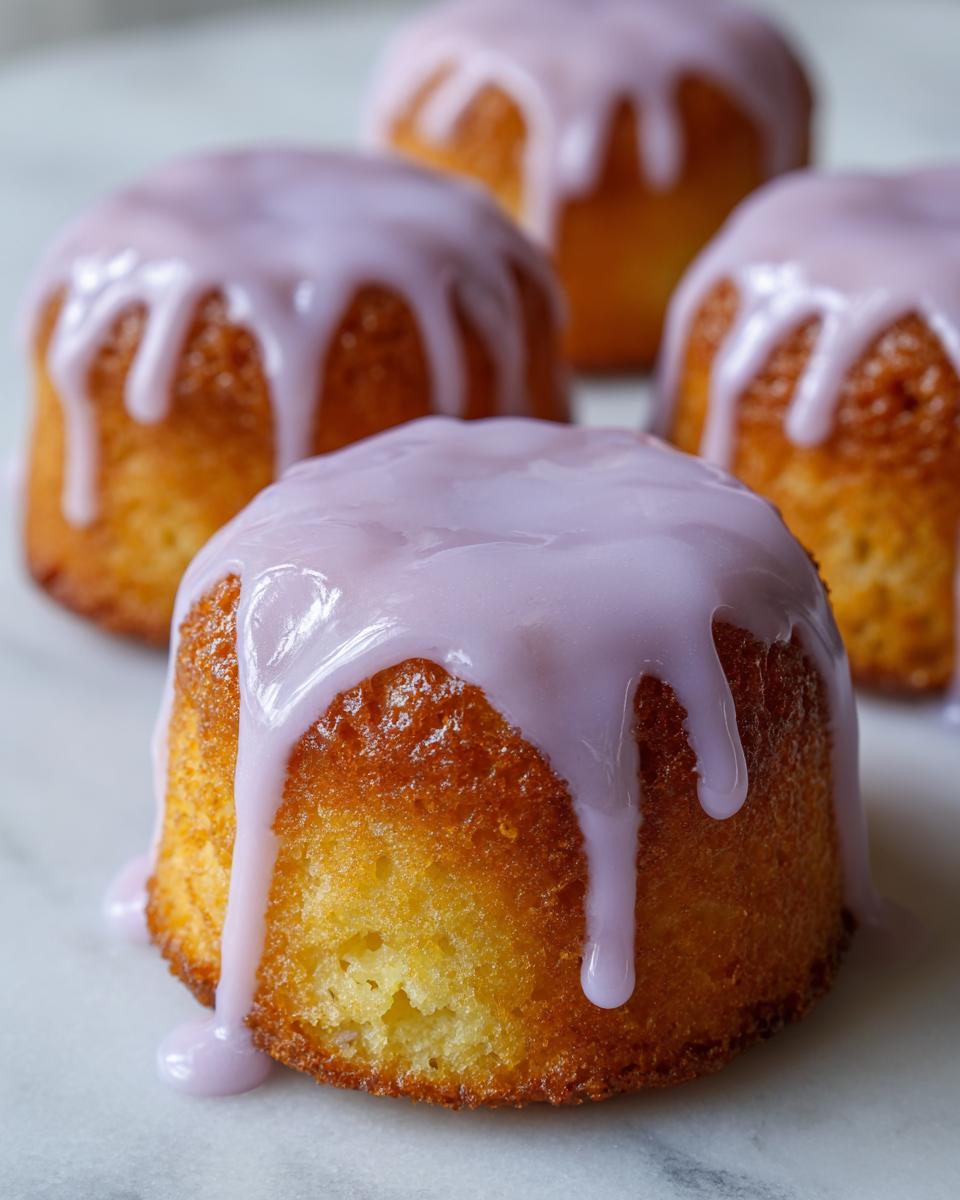
- Spoon the batter evenly into your prepared cups. Fill each one about two-thirds full—that gives them room to dome nicely without spilling over.
- Bake them for about 18 to 22 minutes. You’ll know they are done when a toothpick stuck right into the center comes out clean, or maybe with just a few moist crumbs stuck to it. Pull them out, let them sit in the tin for five minutes, and then transfer them gently to a wire rack to cool completely. They MUST be totally cool before you attempt the glaze!
Creating the Lavender Infused Icing
This step is where we coax out that gorgeous floral flavor. We are steeping the lavender, not cooking it aggressively, so take your time here. Remember to use only culinary grade buds!

- Gently warm the 3 tablespoons of milk or cream in a tiny saucepan over low heat—don’t let it boil! Just get it warm enough to release the oils.
- Take the pan off the heat immediately, stir in your dried lavender buds, and let them steep for a full 10 minutes. This lets all the flavor soak in.
- Crucially, strain that warm lavender milk through that fine-mesh sieve into a clean bowl. Press gently on those buds to squeeze out every last drop of that beautiful lavender infused icing base. Throw those used buds away! Now, whisk the sifted powdered sugar, the strained lavender milk, fresh lemon juice, and any optional lavender extract until it’s super smooth.
Assembling the Final Mini Lemon Cakes with Lavender Glaze
Now for the fun part—making them look like the elegant individual desserts they are meant to be! Make sure your cakes are perfectly cool. If they’re even slightly warm, the glaze will just melt right off into a sad puddle.

- Adjust your glaze consistency now: If it looks too thick to drizzle, add just a teaspoon of milk or lemon juice at a time. If it seems too thin, whisk in a tablespoon or two more of sifted powdered sugar. You want it thick enough to coat the spoon but thin enough to slowly drip down the sides.
- Once you’re happy with the drizzle consistency, pour or spoon the glaze over the top of each cake. Let it settle naturally for a beautiful, slightly rustic look.
- If you have them, finish them off! A tiny sprinkle of fresh lavender buds or a delicate sliver of candied lemon makes these gorgeous lemon zucchini bread-adjacent treats look professional.
Tips for Achieving the Best Lemon Lavender Glaze Recipe
The cake part is usually straightforward, but getting that perfect lavender infused icing is where we take these mini lemon cakes with lavender glaze from good to stunning. My biggest piece of advice centers around how you handle the lavender itself. Simply steeping the buds in warm milk, like we did above, gives a gentle, classic result. But if you want a real aromatic punch, you have to try making a lavender simple syrup first!
I’ve got a full rundown on how to make how to make lavender simple syrup, but basically, you simmer water, sugar, and the buds until the sugar dissolves, then strain. If you use just one tablespoon of that steeped syrup instead of the warm lavender milk, I find the flavor travels better through the powdered sugar. It really elevates your final drizzle on these bright and floral desserts. Just remember, the key to any good icing (lavender or otherwise) is starting with sifted powdered sugar to keep everything silky smooth!
Troubleshooting Common Issues with Individual Lemon Desserts
Even with the most reliable recipes, sometimes hiccups happen in the kitchen, right? Don’t panic if your beautiful little cakes don’t look perfect right out of the tins! Baking is science, but it’s also a little bit about feel. I’ve seen it all—sunken centers, super dry edges, and glazes that run off like water. Here are the quick fixes I use when my individual lemon desserts decide to stage a tiny rebellion.
If you want to see some other baked goods that rarely cause trouble, check out my recipe for best blueberry muffins—those are almost foolproof!
My Mini Cakes Sank in the Middle!
This is usually a sign of one of two things: either you overmixed the batter, or they needed just a tiny bit more time in the oven. When you overmix that flour when alternating wet and dry ingredients, you develop too much gluten, and the light air pockets we created collapse. For these small lemon loaf cakes, mix until *just* combined. If the center barely sinks, it’s usually because you checked them too soon. They need those last couple of minutes to set up fully. If you pull them out and they look a little sad and flat, it’s still edible, I promise, just give the next batch a few more minutes to bake!
Why Are My Cake Edges Dry or Crumbly?
This is the classic sign of overbaking. Lemon is acidic, which naturally helps keep things moist, but if you leave them in too long, the moisture evaporates. Start checking at 18 minutes, even if the recipe says 20. That toothpick test is essential, but don’t push it until it comes out bone dry. A few moist crumbs on the stick means good things for your texture! Also, make sure the tops of your cakes aren’t physically touching the heat element in your oven if you placed the muffin tin too high up.
My Lavender Glaze is Too Thin or Too Thick
The glaze is tricky because the humidity in your kitchen plays a role! If your lavender infused icing is running right off the cake and pooling on the cooling rack, it’s too thin. You need more powdered sugar! Add it one tablespoon at a time, whisking well between additions until it holds a ribbon shape when drizzled slowly off your spoon. If it’s thick like paste and won’t drizzle, it’s too thick. Add liquid—milk, cream, or lemon juice—just a half teaspoon at a time until you get that perfect pourable consistency that coats the cake beautifully.
Storage and Make-Ahead Instructions for Your Mini Lemon Cakes
One of the best parts about baking small batch lemon cakes is how easy they are to plan ahead for parties or just to have a treat ready when that afternoon craving hits! Since these are essentially fancy, delightful muffin tin lemon cakes, they are pretty sturdy, but the glaze changes things slightly. I test everything for make-ahead potential because I know you’re busy!
If you’re prepping for a big event, you can totally bake the little cakes ahead of time. However, I strongly suggest you wait until the very last minute to apply that lovely lavender glaze. Glazes tend to soften or sometimes even absorb into the cake top overnight, especially if they have a lot of moisture like ours does.
Need to feed a crowd later in the week? If you haven’t glazed them yet, the unfrosted mini lemon cake recipe base freezes like a dream. If you want to see how I handle freezing other make-ahead items, check out my tips for easy egg bites recipe make ahead breakfast.
Storing Unfrosted Cakes
If you just baked them and they are completely cool, you can store the plain mini cakes in an airtight container right on your counter. At room temperature, they stay beautifully moist for about 3 days. Don’t worry about refrigeration unless your kitchen is seriously hot and humid, because sometimes the fridge can slightly dry out the cake part, even in a sealed container.
If you need to store them longer, pop them in a freezer-safe container or heavy-duty zip-top bag. They keep their texture well for up to 2 months this way. Just pull them out at room temperature a couple of hours before you plan to glaze and serve them.
Storing Glazed Individual Lemon Desserts
Once that lavender infused icing is set (give it a good hour on the rack to firm up), storage gets a bit more particular. Because we are using fresh lemon juice and a small amount of milk in the glaze, it’s safest (especially if you’re keeping them more than 12 hours) to refrigerate them. Place your finished individual serving lemon treats in an airtight container. They will be fine for up to 4 days in the fridge.
Just remember to take them out about 30 minutes before serving. Eating them straight from the cold can mute the bright lemon flavor just a tiny bit. You want that subtle shift back to room temperature so the cake and the floral glaze shine!
Serving Suggestions for Your Mini Lemon Cakes with Lavender Glaze
These mini lemon cakes with lavender glaze are so delicate and pretty, they really deserve an elegant setting! Since they are beautiful bright citrus cakes, I think leaning into that spring, afternoon tea vibe is the way to go. It’s all about presentation when you make individual serving lemon treats like this.
When I made these last week for a brunch, I served them alongside a pot of Earl Grey tea—the bergamot plays so nicely with the floral lavender notes. If you need ideas for other lovely small bakes to present alongside them, check out my recipe for cranberry orange scones!
Garnishing for Maximum Wow Factor
The glaze itself is stunning, but a simple garnish really pushes these over the edge from “great homemade cake” to “elegant individual desserts” status. You don’t need much, just a tiny touch to highlight the flavors we spent time creating.
- Fresh Lavender Sprigs: If you sourced good culinary lavender, take a tiny, beautiful sprig—just the top few buds—and gently press it into the wet glaze on top of each cake. It gives a wonderful aromatic hint right before you take a bite.
- Candied Lemon Slices: These look incredibly professional! You can candy thin slices of lemon rind or full slices. If you don’t want to make candied slices, just grate a tiny bit of fresh lemon zest right over the top of the glaze once it sets.
- Dusting Mix: For a simpler look, dust the cooled, UNGLAZED cakes lightly with powdered sugar first. Then, drizzle your lavender glaze over the top. The contrast between white and purple looks really lovely.
Pairing for Afternoon Tea Cakes
If you’re arranging these for an afternoon tea cakes spread, think about what you’re serving next to them. Because these little cakes are intensely flavorful with both citrus and herb, you want lighter, less acidic companions.
I love pairing them with something simple like plain shortbread cookies or maybe a small, slightly sweet sandwich, like cucumber and cream cheese on soft white bread. The lemon cleanses the palate, and the lavender gives you that lovely, lingering floral finish. They are definitely the highlight of any platter!
Frequently Asked Questions About Bright Citrus Cakes
When baking anything new, especially when balancing a strong flavor like lemon with something delicate like lavender, questions always pop up! I get it. These bright citrus cakes are foolproof if you follow the main recipe, but sometimes adapting things or troubleshooting flavor intensity is necessary. Here are the top things people ask me when they are making these individual lemon desserts!
If you need some ideas for a lighter meal after all this sweet baking, you can check out my favorite healthy lunch ideas!
Can I use lemon extract instead of fresh lemon juice in the cake?
Oh, I really, really advise against it for the cake batter itself. The fresh lemon juice does triple duty: it provides liquid, it adds that bright, natural tartness, and it helps tenderize the crumb. If you use extract instead, you’ll lose volume and moisture. If you absolutely run out of fresh juice—and I mean in an emergency!—you could substitute maybe half the amount required with extract, but you’ll need to replace the missing liquid volume with plain milk or water. For that intensely flavored lemon lavender glaze recipe later, using extract is totally fine to boost the flavor, but for the cake, please stick to fresh!
What if I don’t have buttermilk for these small batch lemon cakes?
Buttermilk is wonderful because it adds richness and that necessary acid to react with the baking soda, ensuring a great rise and texture. But hey, we all run out sometimes! Luckily, the substitute for buttermilk is super simple and you probably have the ingredients right now. To make the equivalent of 1/2 cup of buttermilk, just take a liquid measuring cup, put in 1/2 cup of regular milk (whole milk is best, but 2% works), and then stir in one teaspoon of white vinegar or fresh lemon juice. Let it sit on the counter for about five to ten minutes until it looks slightly curdled. That’s your homemade buttermilk ready to go for those small batch lemon cakes!
How do I make the lavender flavor stronger in the glaze?
That’s a great question, especially if you’re making these for people who really love floral notes! If you followed step 9, you steeped the buds for 10 minutes, which gives a nice background note. To make the lavender infused icing really sing, you have two better options than just adding more dried buds, which can make it gritty.
- Use the Extract: If you didn’t use the optional lavender extract in the recipe, add about a half teaspoon now. It packs a floral punch without altering the liquid consistency of the glaze.
- Use Simple Syrup: This is my preferred method! As I mentioned in the tips section, making a concentrated lavender simple syrup is the absolute best way to transmit clear lavender flavor. If you make the syrup and use 1 tablespoon of that highly concentrated liquid instead of the lavender milk, your glaze will taste much more intensely floral and bright—perfect for those afternoon tea cakes!
Mini Lemon Cakes with Lavender Glaze

Bake these moist, individual lemon cakes topped with a delicate, floral lavender infused icing. This recipe is simple to follow and perfect for afternoon tea or elegant small gatherings.
- Prep Time: 20 min
- Cook Time: 22 min
- Total Time: 42 min
- Yield: 12 servings 1x
- Category: Dessert
- Method: Baking
- Cuisine: American
- Diet: Vegetarian
Ingredients
- 1 1/2 cups all-purpose flour
- 1 teaspoon baking powder
- 1/2 teaspoon baking soda
- 1/4 teaspoon salt
- 1/2 cup unsalted butter, softened
- 1 cup granulated sugar
- 2 large eggs
- 1/2 cup buttermilk
- 1/4 cup fresh lemon juice
- 1 tablespoon lemon zest
- 1 teaspoon vanilla extract
- For the Lavender Glaze:
- 2 cups powdered sugar, sifted
- 3 tablespoons milk or cream
- 1 tablespoon fresh lemon juice
- 1 teaspoon dried culinary lavender buds
- 1 teaspoon lavender extract (optional, for stronger flavor)
Instructions
- Preheat your oven to 350°F (175°C). Grease and flour a standard 12-cup muffin tin or use paper liners.
- In a medium bowl, whisk together the flour, baking powder, baking soda, and salt. Set aside.
- In a large bowl, cream the softened butter and granulated sugar together until light and fluffy, about 3 minutes.
- Beat in the eggs one at a time, mixing well after each addition.
- In a small bowl, whisk together the buttermilk, lemon juice, lemon zest, and vanilla extract.
- Gradually add the dry ingredients to the wet ingredients, alternating with the buttermilk mixture, beginning and ending with the dry ingredients. Mix until just combined; do not overmix.
- Spoon the batter evenly into the prepared muffin cups, filling each about two-thirds full.
- Bake for 18 to 22 minutes, or until a toothpick inserted into the center comes out clean. Let the mini cakes cool in the tin for 5 minutes before transferring them to a wire rack to cool completely.
- To make the lavender glaze: Gently warm the milk or cream in a small saucepan over low heat. Add the dried lavender buds and let them steep for 10 minutes off the heat. Strain the milk through a fine-mesh sieve to remove the buds, pressing lightly on them to extract the flavor. Discard the buds.
- In a bowl, whisk the sifted powdered sugar, strained lavender milk, lemon juice, and lavender extract (if using) until smooth. Add more powdered sugar for a thicker glaze or a few drops more liquid for a thinner consistency.
- Once the mini lemon cakes are completely cool, drizzle the lavender infused icing generously over the top of each cake. Garnish with a small lemon slice or a tiny sprig of fresh lavender, if desired.
Notes
- For the best lavender flavor in your icing, you can make a quick lavender simple syrup instead of steeping the buds in milk. Combine 1/4 cup water, 1/4 cup sugar, and 1 tablespoon lavender buds; simmer until sugar dissolves, then steep and strain. Use 1 tablespoon of this syrup in place of the lavender milk.
- To keep your small batch lemon cakes moist, do not overbake them. Check for doneness early.
- This recipe makes 12 standard-sized mini cakes.
Nutrition
- Serving Size: 1 cake
- Calories: 280
- Sugar: 35
- Sodium: 150
- Fat: 12
- Saturated Fat: 7
- Unsaturated Fat: 5
- Trans Fat: 0
- Carbohydrates: 42
- Fiber: 1
- Protein: 3
- Cholesterol: 55