

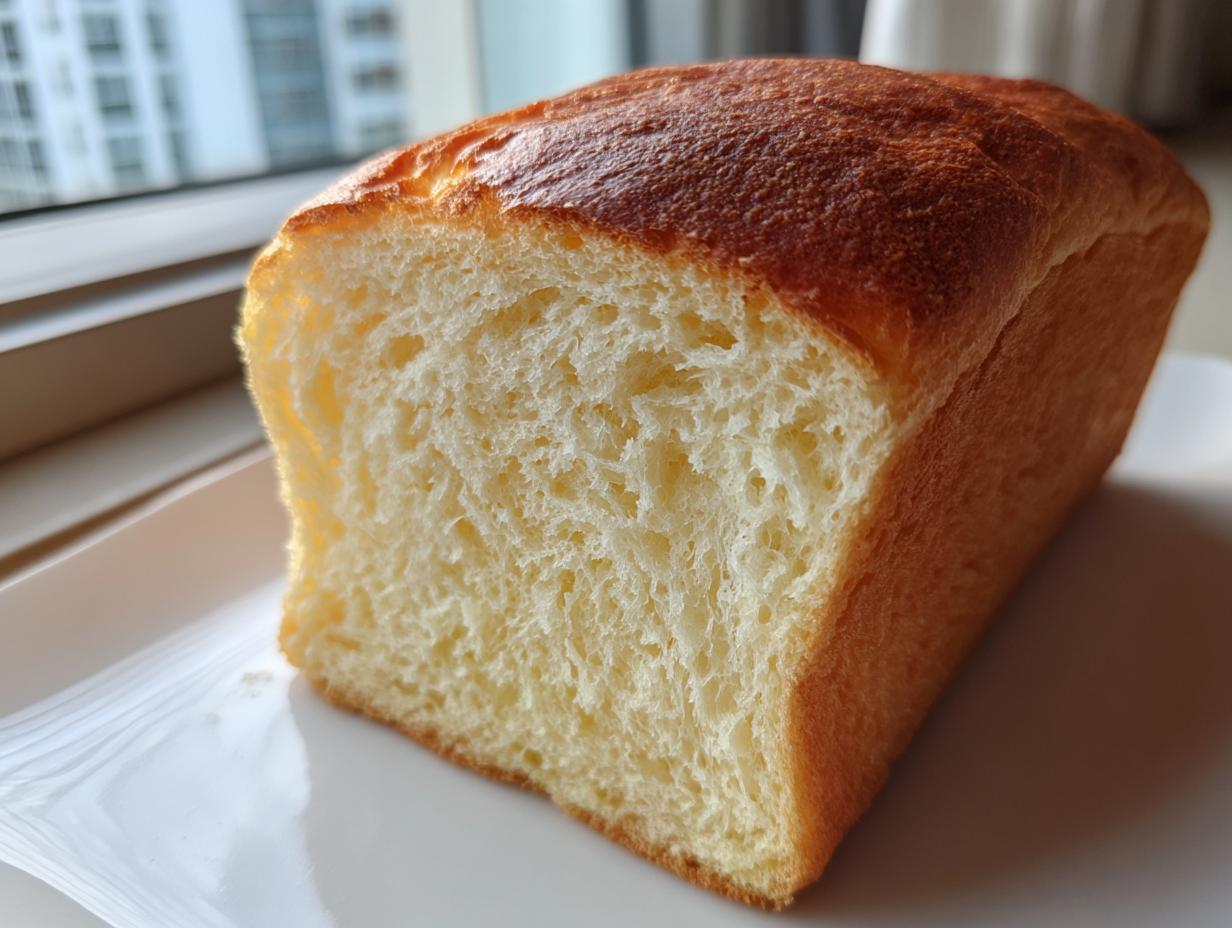
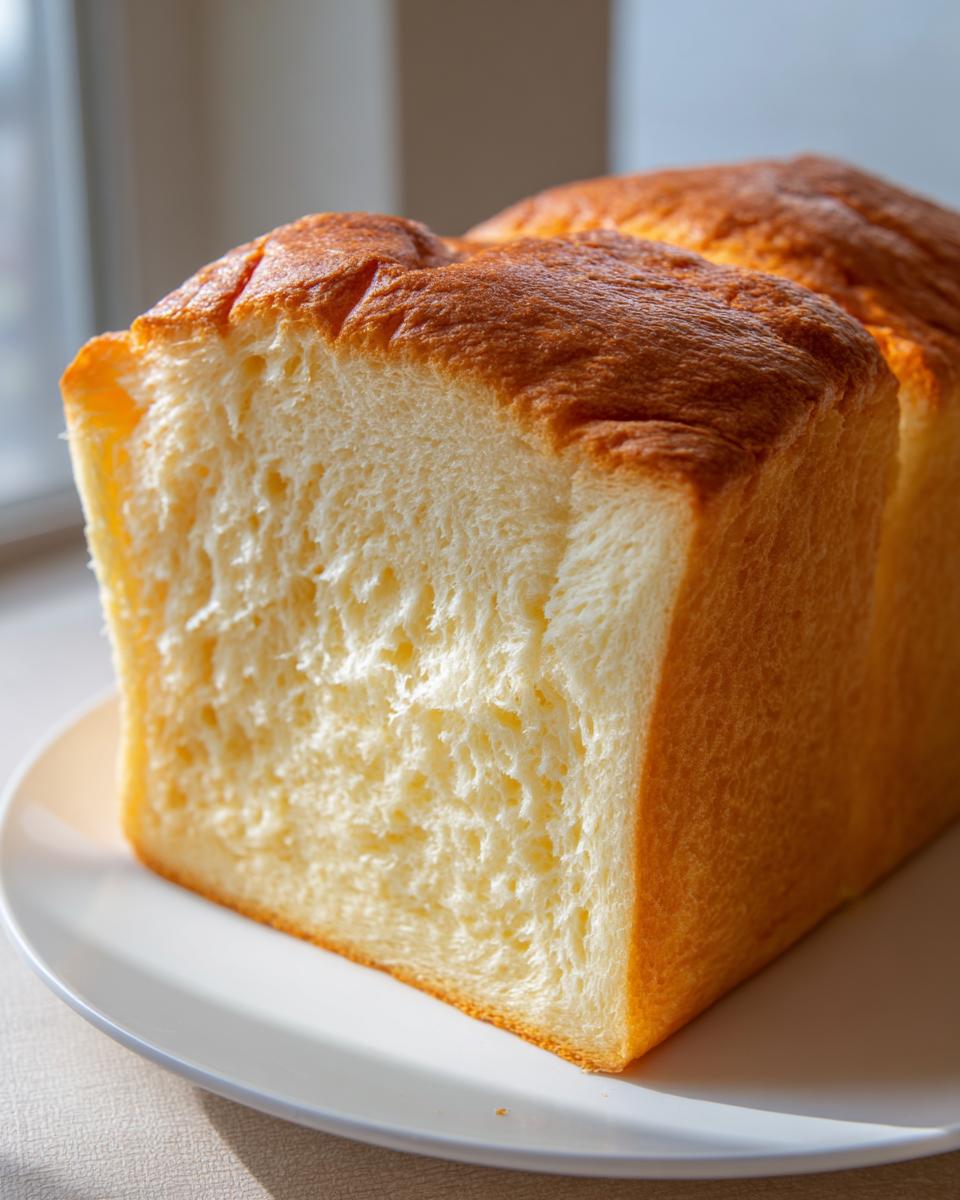
Have you ever walked into a Japanese bakery and just been overwhelmed by the sight of that impossibly soft, cloud-like loaf? I know I have! For years, I chased that texture at home, sometimes ending up with something just… okay. But trust me, those days are over. After developing recipes professionally in a test kitchen, I finally cracked the code, balancing science and comfort into one perfect loaf. I’m so excited to share my Foolproof Japanese Milk Bread (Shokupan) Recipe Using the Tangzhong Method for Cloud-Like Softness. This isn’t just bread; it’s an experience that anyone can master, starting right now. You can learn more about how I approach recipe development over on my About Page.
- Why This Japanese Milk Bread Recipe Guarantees a Pillowy Soft Loaf
- Gathering Ingredients for Your Japanese Milk Bread
- Step-by-Step Instructions for Fluffy Shokupan
- Baking Tips for a Golden Crust on Your Japanese Milk Bread
- Storing Your Soft Homemade Bread for Maximum Freshness
- Serving Suggestions for the Best Bread for Sandwiches
- Frequently Asked Questions About Japanese Milk Bread
- Nutritional Estimates for This Homemade Buttery Bread
- Share Your Fluffy Shokupan Results
Why This Japanese Milk Bread Recipe Guarantees a Pillowy Soft Loaf
I know baking soft, fluffy bread can feel intimidating, but I promise you, this Japanese Milk Bread Recipe is designed to take the guesswork out. We aren’t aiming for chewy sourdough here; we are aiming for absolute, melt-in-your-mouth tenderness. That reliability comes straight from the star player: the Tangzhong method.
Here’s what you get when you follow these steps:
- The absolute dream Cloud Bread Texture.
- A loaf that genuinely stays fresh longer than standard bread.
- A rich, satisfyingly homemade buttery bread flavor.
If you love exploring different super-soft textures, you might also enjoy my thoughts on achieving that airy quality in cottage cheese cloud bread, but for this Shokupan, Tangzhong is everything!
Mastering the Tangzhong Bread Technique
So, what is this fancy-sounding technique? Simply put, Tangzhong is just a small portion of your bread flour and liquid—in our case, milk and water—that you pre-cook into a thick paste, almost like a smooth gravy. When you mix that cooked paste into the main dough, it acts like a moisture sponge. It holds onto liquids much better during baking, which keeps every single crumb incredibly soft and moist for days. It’s pure baking science that creates that signature Asian bakery style!
Gathering Ingredients for Your Japanese Milk Bread
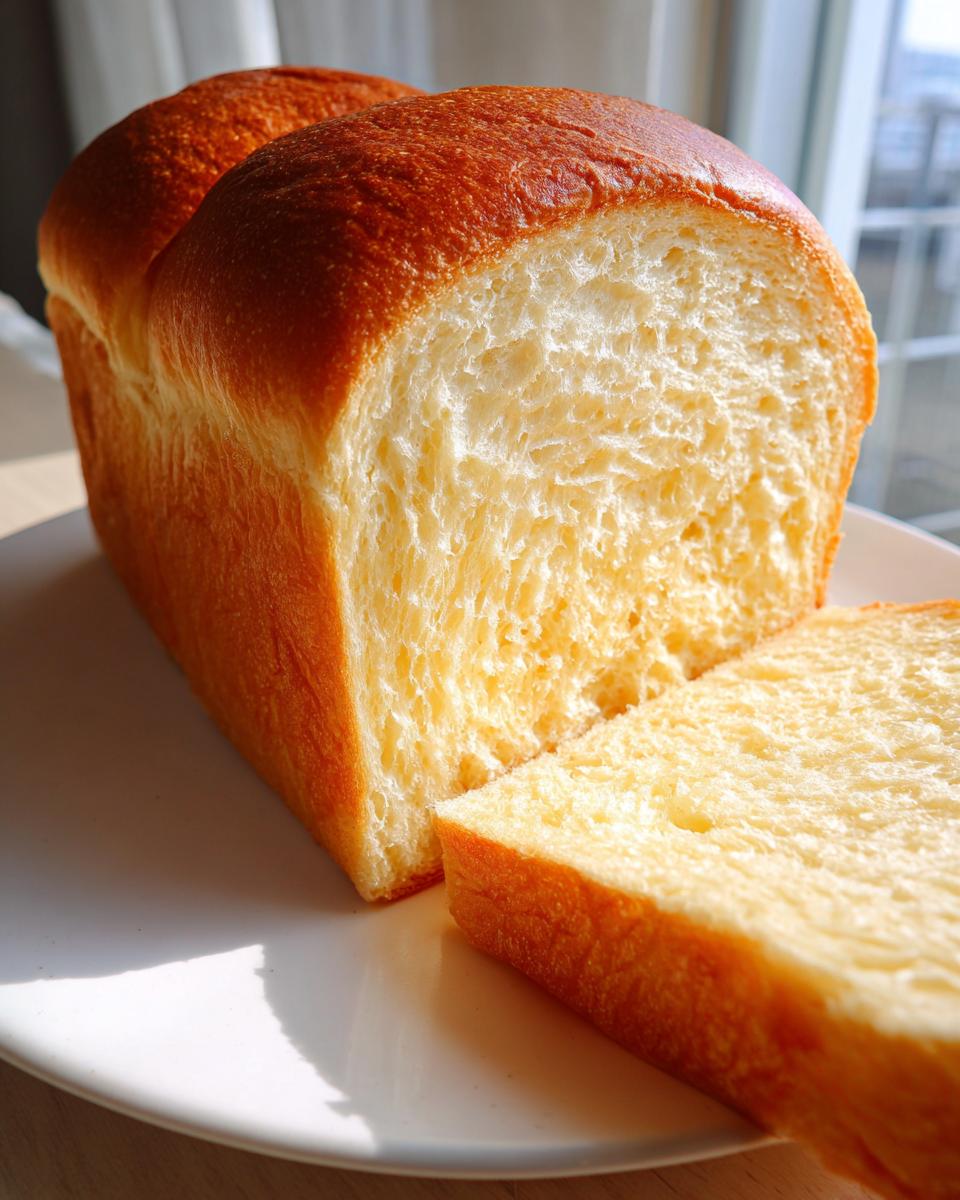
Getting the right ingredients is half the battle won when aiming for that perfect, soft homemade bread. Don’t stress too much; most of this is standard pantry stuff, but we need precision here! Because this loaf needs serious structure to hold all that fluff, you absolutely must go for bread flour over regular all-purpose—it has higher protein needed for the long kneading. And don’t skip the heavy cream; that little bit adds that luxurious, slightly homemade buttery bread richness you expect!
Ingredient Notes and Substitutions
I’ve listed exact measurements above, but let’s talk flour for a second. If you try AP flour, your dough just won’t develop the strength for the windowpane test when making this Japanese Milk Bread Recipe. It’ll be flatter, guaranteed. Also, the heavy cream isn’t just for fat content; it helps keep the crust incredibly tender, which is key for that light Asian bakery bread style. You can’t really substitute it effectively without losing some of that lovely softness, so try to stick to the list!
Step-by-Step Instructions for Fluffy Shokupan
Okay, this is where the real magic happens! While the Tangzhong seems fussy, trust me, it makes whipping up this Japanese Milk Bread Recipe so much easier down the line because you don’t have to worry about the bread drying out. Remember, if you’re looking for other great ways to handle dough, my recipe for homemade dinner rolls follows some similar principles regarding texture development.
Creating the Tangzhong Starter
First things first: we cook that little bit of liquid and flour into a thick paste we call Tangzhong. Whisk the flour and water together in a saucepan before you even turn on the heat! Then, cook it gently over medium-low heat, stirring nonstop until it becomes a thick paste. You need to hit about 145°F (63°C)—that’s when the starch has fully gelatinized. Once it hits that temp, pull it immediately off the heat! This paste *has* to cool completely before you add it to the rest of your main dough ingredients later. If it’s warm, it will accidentally start melting the butter and killing your yeast. Patience here is key for that cloud bread texture!
Kneading for the Windowpane Test in Your Japanese Milk Bread Dough
Now we mix it all together! If you have a stand mixer, this is where you give it a good 10 to 15 minutes on medium-low speed. If you’re kneading by hand, brace yourself—you’re looking at 20 to 25 minutes. You need super strong gluten development for this pillowy soft loaf. Keep going until the dough is smooth and elastic. The test? You take a small piece and gently stretch it out with your fingers. If you can stretch it thin enough to see light passing through it—like a thin windowpane—without tearing, you nailed it! If it rips right away, knead five more minutes and try again. That perfect structure is what keeps the loaf from collapsing and gives you that incredible fluffiness. Speaking of perfect textures, getting rice fluffy is totally different, but equally important, as you can see in my garlic rice guide.
Shaping and Proofing the Japanese Milk Bread Loaf
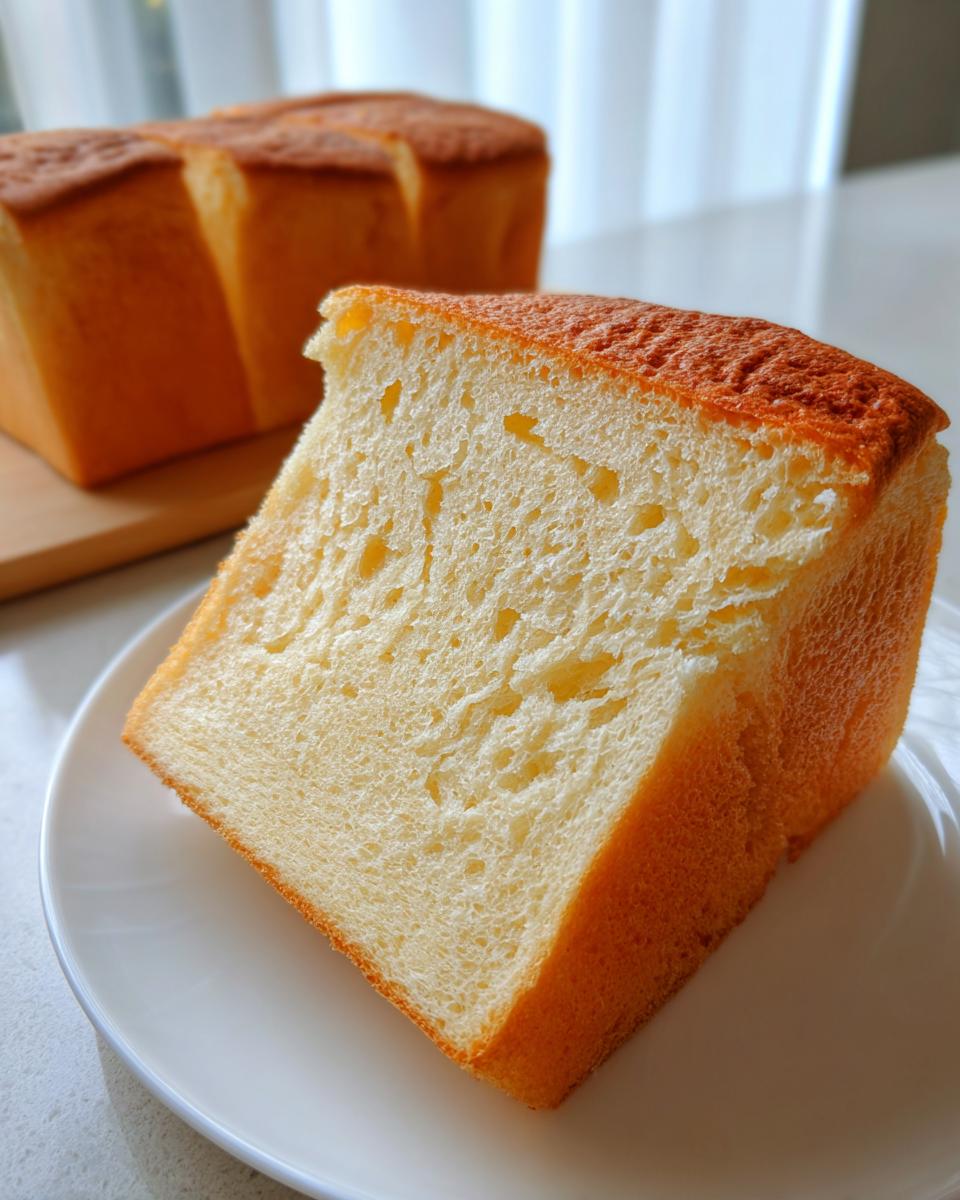
After the first rise, be gentle! We don’t want to knock all the lovely air out we just built. Punch it down softly, then divide the dough into three equal portions. Roll each piece into a tight little ball, and then roll that tight ball into a log shape. Place those three logs right next to each other in your greased loaf pan (seam-side down!). Now, cover it loosely and let it have its second, shorter nap. You’re looking for the dough to puff up until the top is about an inch over the pan rim. Don’t let it go past that, or it’ll cave in when it hits the oven!
Baking Tips for a Golden Crust on Your Japanese Milk Bread
We are so close to that fluffy dream loaf! Before it goes in, make sure your oven is fully preheated to 350°F (175°C). Seriously, don’t cheat this part; a hot oven sets the structure instantly. Now, for that gorgeous shine: whisk one egg yolk with just a teaspoon of water—that little bit of water helps make the wash thinner so it doesn’t mask the texture.
Brush this gently all over the top of your proofed dough. Bake it for about 30 to 35 minutes. How do you know for sure it’s done? Don’t just guess! Use an instant-read thermometer right in the center. We are looking for an internal temperature of 200°F (93°C). That’s your guarantee that you’ve achieved the perfect bake for this soft homemade bread.
Storing Your Soft Homemade Bread for Maximum Freshness
You’ve finally got this unbelievably fluffy Shokupan out of the oven, and now comes one of the hardest parts: waiting! But seriously, you absolutely must allow this loaf to cool completely on a wire rack before you slice into it. I learned this the hard way years ago when I was too excited—slicing too early traps steam, and instead of that amazing, cloud-like crumb, you end up with a gummy layer right in the middle. It’s heartbreaking when you’ve worked this hard to make soft homemade bread!
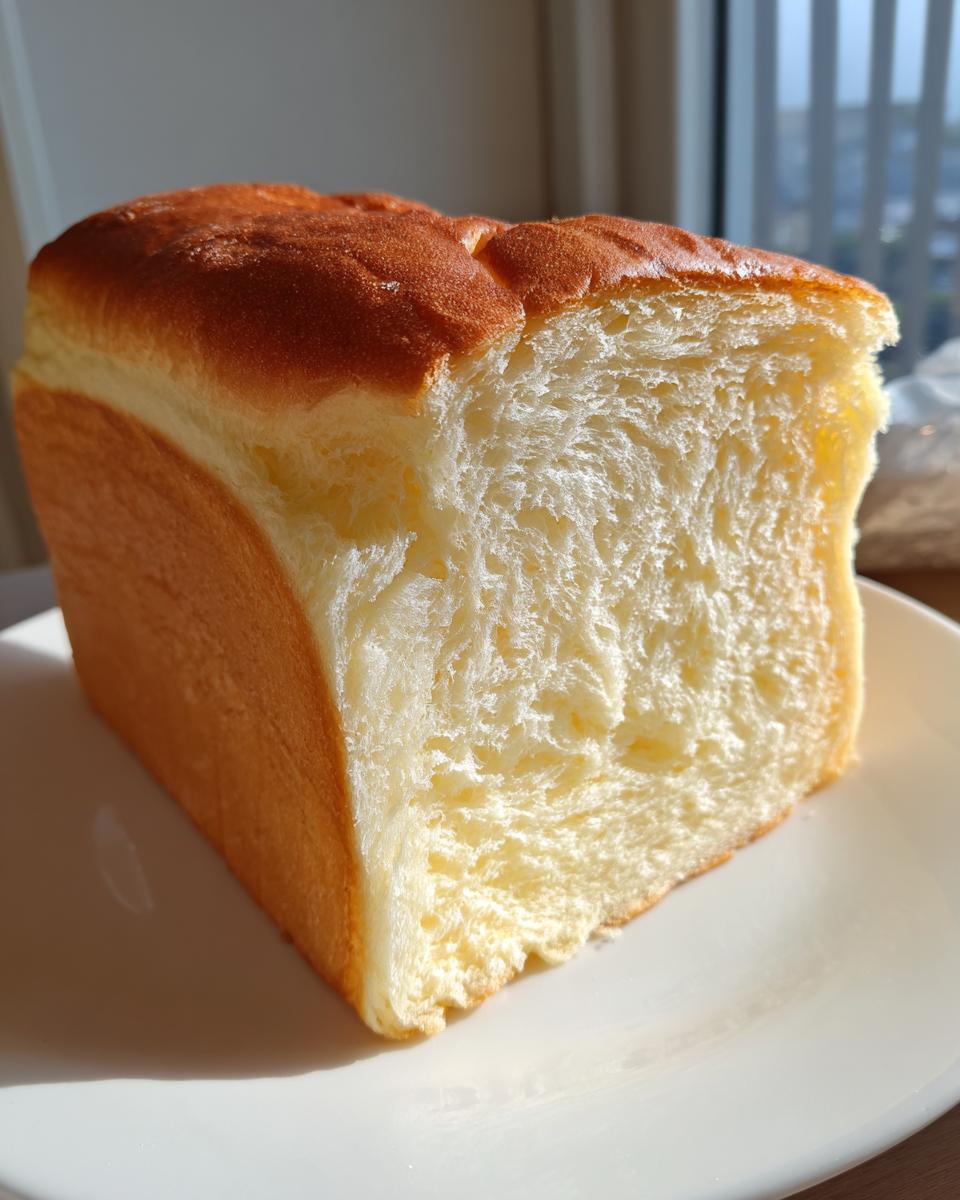
The great thing about using the Tangzhong method, though, is that this bread has a built-in superpower: it stays moist forever! Unlike standard loaves that dry out overnight, you can expect this Japanese Milk Bread to stay tender for three or four days. Once it is completely cool—and I mean cool to the touch, not just warm—wrap it tightly. I mean *tightly*. Use plastic wrap first, maybe even put that sealed plastic wrapper inside a zip-top bag. This locks in that beautiful moisture created by the roux so you can enjoy that perfect texture all week long. If you’ve ever wondered about making things ahead, I actually have a great little guide on making cookies ahead of time that uses similar storage principles!
Do not try to store this bread in the refrigerator. Cold air is the enemy of soft bread, and it will actually stale the loaf faster, even with all that extra moisture we built in. Keep that pillowy soft loaf right on the counter at room temperature, wrapped up securely, and it will be perfect for your morning toast!
Serving Suggestions for the Best Bread for Sandwiches
Now that you have baked the best bread for sandwiches known to humankind, what do you do with it? Honestly, the best way to eat the first slice is warm, plain, or with just a smear of salted butter so you can truly taste that homemade buttery flavor. It practically melts on your tongue!
But when it comes to meals, this unbelievably soft loaf is extremely versatile. It makes the most incredible French toast—the fluffiness soaking up the custard without falling apart. And for savory applications? Try it toasted alongside something creamy, like my recipe for creamy mashed potatoes, or use two thin slices for the world’s most tender grilled cheese. You’ll rethink every sandwich you ever made before!
Frequently Asked Questions About Japanese Milk Bread
When you’re trying out a new favorite like this Japanese Milk Bread Recipe, I always get a flood of questions! It’s completely normal when you’re diving into new baking techniques for soft bread. I’ve pulled together the ones I hear the most so you can bake with total confidence. If you’re looking for other make-ahead tips, check out my guide on easy egg bites, which works great for busy mornings!
Can I use the Yudane Milk Bread method instead of Tangzhong?
Oh, absolutely! That’s a fantastic question. Yudane is the technique where you scald the flour with boiling water instead of cooking it on the stove like we did with Tangzhong. Both methods are based on the same principle—hydrating the starch before it hits the main dough. You’ll get virtually the same results: that signature fluffy texture, the lovely stretch, and the loaf that stays moist for ages. Whether you choose Tangzhong or Yudane Milk Bread, you are locking in that soft quality! It really just comes down to which process you prefer doing first thing in the morning.
Can I make this Japanese Milk Bread without a stand mixer?
Yes, my dear baker, you absolutely can! I grew up watching my grandmother bake bread totally by hand, and she always made a wonderful loaf. However, I have to be honest with you: achieving the necessary gluten development for this specific bread is tough work without a machine. Since this soft homemade bread requires about 20 to 25 minutes of continuous kneading to pass the windowpane test, you’re going to feel it in your shoulders! If you go the manual route, remember what I said about the windowpane test—that’s your visual goal, no matter how long it takes you. Keep kneading until that dough stretches thin and sheer. It means you’re ready for that gorgeous cloud bread texture!
Nutritional Estimates for This Homemade Buttery Bread
I always love seeing the stats, but I need to give you the standard disclaimer here! Since we are all using slightly different brands of flour, milk, and butter, these numbers are just estimates based on the core ingredients in this Japanese Milk Bread Recipe. We are looking at a generous, satisfying slice of this homemade buttery bread. Think of this as a general guide, not a strict dietary chart.
For one approximate slice of this beautiful, soft loaf, here is what we are looking at:
- Calories: 180
- Fat: 5g (with 3g of that being saturated fat)
- Carbohydrates: 28g
- Protein: 5g
- Sugar: 6g
- Fiber: 1g
It’s important to remember that this rich flavor comes from the fat and the natural sugars in the milk, which is what makes this pillowy soft loaf so delicious! If you are counting closely, just plug your specific brand values into a tracker, but for general reference, these estimates should give you a good snapshot of what you are enjoying. This bread is certainly comforting, and every bite is worth it!
Share Your Fluffy Shokupan Results
I am bursting with pride just thinking about the beautiful loaves you’ve made! Seriously, tag me in your photos when you bake this Japanese Milk Bread. Did you get that perfect rise? Does it have that amazing cloud bread texture I promised? I want to see all your creations! Don’t forget to leave a rating here on the blog so others know how much they need to try this recipe for soft homemade bread. Check out the original inspiration on this Japanese Milk Bread article, and then come back and tell me how our recipe stacked up!
PrintFoolproof Japanese Milk Bread (Shokupan) Recipe Using the Tangzhong Method for Cloud-Like Softness
This recipe uses the Tangzhong method to create unbelievably soft, fluffy Japanese Milk Bread (Shokupan). This loaf stays tender and fresh longer than standard bread, making it perfect for sandwiches or toast.
- Prep Time: 30 min
- Cook Time: 35 min
- Total Time: 2 hr 40 min
- Yield: 1 loaf 1x
- Category: Baking
- Method: Baking
- Cuisine: Japanese
- Diet: Vegetarian
Ingredients
- 1 cup Milk
- 1/4 cup Water
- 1/4 cup Granulated Sugar
- 1/4 cup Unsalted Butter
- 1/4 cup Bread Flour (for Tangzhong)
- 3 cups Bread Flour (for dough)
- 1 tablespoon Instant Dry Yeast
- 1 teaspoon Salt
- 2 large Eggs
- 1/4 cup Heavy Cream
- 1 large Egg Yolk (for egg wash)
Instructions
- Prepare the Tangzhong: In a small saucepan, whisk together the 1/4 cup bread flour and 1/4 cup water. Heat over medium-low heat, stirring constantly until the mixture thickens into a paste, reaching 145°F (63°C). Remove from heat and let it cool completely.
- Combine Wet Ingredients: In a large bowl or stand mixer bowl, combine the cooled Tangzhong, milk, sugar, butter, yeast, salt, eggs, and heavy cream. Mix briefly until just combined.
- Add Dry Ingredients: Gradually add the 3 cups of bread flour to the wet mixture. If using a stand mixer, mix on low speed with the dough hook until a shaggy dough forms.
- Knead the Dough: Increase the mixer speed to medium-low and knead for 10 to 15 minutes until the dough is smooth, elastic, and passes the windowpane test. If kneading by hand, knead for 20 to 25 minutes. The dough will be soft and slightly sticky.
- First Rise (Bulk Fermentation): Place the dough in a lightly oiled bowl, turning to coat. Cover the bowl and let it rise in a warm place until doubled in size, about 1 to 1.5 hours.
- Shape the Loaf: Gently punch down the risen dough. Divide the dough into three equal pieces. Roll each piece into a tight log. Place the three logs side-by-side into a greased 9×5 inch loaf pan, seam-side down.
- Second Rise (Proofing): Cover the loaf pan loosely with plastic wrap or a damp towel. Let the dough rise again in a warm spot until it has nearly doubled and crests about 1 inch over the rim of the pan, about 45 to 60 minutes.
- Bake: Preheat your oven to 350°F (175°C). Whisk the egg yolk with 1 teaspoon of water to create an egg wash. Gently brush the top of the dough with the egg wash.
- Bake for 30 to 35 minutes, or until the top is golden brown and the internal temperature reaches 200°F (93°C).
- Cool: Immediately remove the bread from the pan and cool completely on a wire rack before slicing. This step is important for the final texture.
Notes
- A stand mixer is recommended for the long kneading time required to develop the gluten for this pillowy soft bread.
- For the softest crust, brush the top of the hot loaf with a little melted butter immediately after removing it from the oven.
- This bread stays fresh longer than standard bread due to the Tangzhong technique. Store tightly wrapped at room temperature.
Nutrition
- Serving Size: 1 slice
- Calories: 180
- Sugar: 6
- Sodium: 150
- Fat: 5
- Saturated Fat: 3
- Unsaturated Fat: 2
- Trans Fat: 0
- Carbohydrates: 28
- Fiber: 1
- Protein: 5
- Cholesterol: 30